
Dex International Limited

Uncategorized

Uncategorized

Key Factors That Influence International Transaction Costs

Did you know that reducing international transaction costs to just 3% could generate an additional US$32 billion in remittances worldwide? When we move money from England to Jordan or any international destination, understanding the Key Factors That Influence International Transaction Costs is crucial, as transaction fees can significantly impact the final amount received. International payments are indeed crucial for global commerce, facilitating cross-border trade and business expansion. However, these transactions typically cost businesses more due to currency conversion fees, wire transfer charges, and additional costs from intermediary banks. In fact, foreign transaction fees typically range from 1% to 3% of the transaction amount, which can substantially affect profitability for companies making frequent international transfers. To put this in perspective, if you spend $5,000 abroad using a card with a 3% foreign transaction fee, you’ll pay an extra $150 when your bill arrives. Furthermore, research suggests that while cost reductions initially have a positive impact on remittance flows, this effect tends to diminish after one quarter. Accordingly, understanding the factors that influence these costs is essential for anyone regularly transferring funds internationally. In this article, we’ll explore the key drivers behind international transaction costs, identify hidden fees you should watch for, examine how business type affects pricing, and share smart strategies to minimize expenses when moving money from England to Jordan or other international destinations. Key Drivers of International Transaction Costs The mechanics behind sending money internationally involve several complex factors that drive costs upward compared to domestic transfers. Let’s explore the primary elements that determine what you’ll pay to Move Money from England to Jordon or other international destinations. Currency exchange rate volatility Exchange rate fluctuations represent a significant cost factor in cross-border transactions. These variations are driven by multiple economic indicators including inflation rates, interest rates, and political stability. For businesses, currency volatility creates unpredictable expenses—when a company’s home currency falls, the cost of international operations rises. Interestingly, research shows exchange rate volatility affects nations differently, reducing trade balance in developed countries but actually improving it in developing nations. Banking infrastructure and intermediaries International payments typically pass through multiple financial institutions before reaching their destination. This correspondent banking network has seen a concerning decline across all regions, creating greater concentration and potentially contributing to higher costs. Consider this payment journey: Each intermediary adds fees, typically ranging from £11-£38 ($15-$50) per bank in the chain. Additionally, the recipient’s bank often charges its own fee (£2-£7) just to accept the payment. Regulatory compliance in different countries Cross-border payments face strict regulatory scrutiny across multiple jurisdictions. Each financial institution must perform its own compliance checks related to: These sequential checks create significant duplication of efforts. Furthermore, regulatory frameworks differ between countries, requiring specialized knowledge to navigate properly. This complexity is especially evident when moving money between regions with different compliance standards, such as from England to Middle Eastern countries like Jordan. Transaction size and frequency The cost-efficiency of international transfers improves substantially with larger transaction volumes. Small transfers face disproportionately high fees—the global average cost of sending $200 stands at 6.5%, whereas exchange rate margins for large transfers can drop to around 0.5%. Similarly, frequent transfers incur recurring fees that can be minimized through strategic batching. Hidden and Variable Fees to Watch Out For Beyond the obvious transaction fees, international money transfers hide numerous charges that silently reduce the amount your recipient gets. Let’s uncover these costs that often go unnoticed when you move money from England to Jordan. Foreign exchange markups Banks typically don’t use the mid-market exchange rate you see on Google. Instead, they apply markups ranging from 2%-5% above the actual rate. This markup becomes the largest hidden cost in most transfers. For instance, if you’re sending £5,000 to Jordan, a 3% markup could cost you £150 without ever appearing as a “fee” on your statement. Even banks advertising “no fee international transfers” often embed these markups into their exchange rates. These institutions profit from the difference between the rate they access and what they offer you. Dynamic currency conversion (DCC) When traveling or shopping internationally, merchants might offer to convert charges to your home currency—a service called Dynamic Currency Conversion. Despite its convenience, DCC typically includes exchange rate markups of 3%-12%. For example, if you withdraw cash from an ATM in Jordan using your UK card, the machine might offer to show your withdrawal in pounds. Declining this offer and choosing the local currency (Jordanian Dinar) almost always saves you money. Visa requires merchants offering DCC to disclose the markup, though this information is often presented unclearly. Cross-border card processing fees Card networks impose these fees whenever transactions cross borders—even if you pay in your own currency. Mastercard typically charges 0.6%-1%, whereas Visa applies 1%-1.4% on cross-border transactions. Notably, PayPal adds approximately 1% international fee on top of its standard 2.9% transaction fee. These fees apply regardless of currency conversion. Receiving bank charges The final deduction occurs at the destination bank. Recipients typically pay $10-$25 just to receive incoming international transfers. These charges automatically reduce what your recipient receives without your knowledge. Consequently, if you’re sending money to a family member in Jordan, they might receive less than expected. How Business Type and Location Affect Costs Your business type and location dramatically shape the costs of moving money internationally. Understanding these variables helps optimize your cross-border payment strategy. eCommerce vs service-based businesses Cross-border shopping represents the fastest-growing segment of B2C e-commerce. This means your online business is already international, whether or not you planned to sell globally. E-commerce businesses typically experience higher transaction costs because they process numerous smaller payments, creating more frequent conversion fees. Moreover, e-commerce companies face greater exposure to card-not-present fraud when expanding globally. In contrast, service-based businesses often deal with fewer but larger transactions, potentially reducing overall fee percentages. High-risk countries and sanctions Transactions involving countries under economic sanctions face stricter scrutiny, longer processing times, and higher fees. Specifically, businesses must navigate complex compliance requirements that vary significantly between countries. Data privacy regulations like GDPR in the EU add another layer of complexity. Capital controls in certain nations also manage money flow across borders, further slowing transactions and increasing costs. Example: Sending
Uncategorized

How UK Residents Can Send Support Faster During Emergencies

When emergencies strike, knowing how to remit funds from England to Somalia or provide local support can make a critical difference, which is why understanding How UK Residents Can Send Support Faster During Emergencies is vital. The UK has established a strong network of emergency assistance systems that can deliver rapid help when it’s needed most. In fact, most councils can provide emergency support within hours for genuine crises. We’ve created this guide to help you navigate the various options available for sending urgent support. From the 1,200+ food bank centers providing 3-day emergency food supplies to specialized services like the Household Support Fund in England and the Discretionary Assistance Fund in Wales, there are numerous ways to help. Whether you’re looking to remit funds from England to Somalia for family members in need or connect someone with local emergency services, this article will walk you through the fastest and most effective methods to provide assistance during critical times. Immediate Steps to Take When Someone Needs Help The first moments of a crisis require quick thinking and decisive action. Initially, recognizing that emergencies demand different responses based on their severity is crucial for effective help. Stay calm and assess the urgency In an emergency where someone’s life is at immediate risk, call 999 immediately. Remember that staying calm allows you to think clearly and provide better assistance. Consider whether the situation requires urgent intervention within hours or if it can wait for standard services. For mental health crises, an expert assessment should be provided ‘within hours’ for emergency referrals. Similarly, physical health emergencies often have a two-hour response standard designed to reduce preventable hospital admissions. Identify the type of support needed Different emergencies require different types of assistance. Ask yourself: Above all, determine if the person needs specialized assistance. Anyone can become vulnerable during emergencies, but the impact often falls disproportionately on certain groups. For individuals with access and functional needs, consider their communication abilities, health maintenance requirements, independence needs, and transportation limitations. Gather essential information quickly Speed matters, yet gathering the right information makes support more effective. Essential details include: Furthermore, if the person is already known to services, check clinical records for any alerts and risk history. For financial emergencies requiring you to remit funds from England to Somalia or elsewhere, you’ll need recipient details and identification information. The government believes a well-informed response leads to better outcomes while minimizing the impact on those affected. By following these steps systematically, you’ll provide more effective support in those critical first moments. How to Send Financial Support Quickly Financial emergencies demand rapid solutions. Time is often the critical factor when someone needs immediate support. Bank transfers and mobile payment apps Speed varies significantly with different digital payment methods. Most domestic UK transfers complete within seconds through Faster Payments, although they can occasionally take up to 2 hours. For international transfers, mobile payment apps typically offer the quickest solutions, with services like Western Union, Wise, and PayPal enabling transfers in minutes when using debit or credit cards. Mobile wallet services have become particularly effective for emergencies since recipients don’t need to visit physical locations—they can receive money directly on their smartphones. Additionally, many apps offer real-time tracking so you can monitor when your support arrives. Using emergency grant platforms Cash transfers have proven highly effective during humanitarian emergencies because they meet people’s immediate needs more quickly and appropriately than direct commodity distribution. Electronic transfers (e-transfers) offer numerous advantages including increased security, convenience, privacy, and reduced operational costs. Notably, these digital payment systems now often utilize biometric registration (using fingerprints) to ensure funds reach the intended recipients. This technology minimizes the risk of double counting or unauthorized access to assistance. Remit funds from England to Somalia: safe options Somalia receives approximately USD 1.30 billion annually from diaspora remittances—comprising between 25% and 40% of the country’s economy. These transfers literally serve as a lifeline for many families paying for food, water, education, and health services. To remit funds from England to Somalia, several reliable options exist. These include using specialized Somali money transfer operators (MTOs), mobile phone payments (widely used in Somalia), or asking local contacts which routes are currently best for receiving money. Services like Remitly partner with providers including Hormuud, Premier Wallet, and several Somali banks. When to use cash vs. digital transfers Despite declining usage (only 12% of UK payments in 2023 were made using cash), physical money remains important in emergencies. Consequently, 76% of Brits who prefer digital payments still carry cash for unexpected situations. Cash provides tangibility that helps with budgeting and works during technical outages—remember, “cash doesn’t crash”. Alternatively, digital transfers offer enhanced security against physical theft, better exchange rates for international transfers, and significantly faster delivery across borders. Connecting with Local Emergency Services and Charities Local support networks provide crucial assistance when traditional financial methods like sending money abroad aren’t enough. Knowing how to access these services can make a significant difference in emergency situations. Contacting Citizens Advice and local councils Citizens Advice offers free guidance on emergencies through their Adviceline at 0800 144 8848 or via online chat. Their advisers can connect you with appropriate local services. For immediate assistance, your local council can provide essential help through the Household Support Fund, covering energy bills, food, and basic necessities. This support targets anyone vulnerable—you don’t need to be receiving benefits to qualify. Referring to food banks and housing support For food emergencies, Trussell Trust operates 1,400 food bank locations supported by 36,000 volunteers. Referrals typically come from Citizens Advice, health professionals, or social workers who provide vouchers for local food banks. Regarding housing crises, councils must provide emergency accommodation if you might be homeless and have priority need, especially if you’re pregnant, have children, or are at risk of domestic abuse. Using Turn2us and Shelter for fast help Turn2us offers a free Grants Search tool that takes just 10 minutes to identify charitable grants you might qualify for. They also provide specialized support for Personal Independence Payment applications. Meanwhile, Shelter’s emergency helpline assists those who are homeless, have nowhere to stay tonight, or

Uncategorized

The Role of Digital Platforms in Connecting Families

Digital platforms have surprisingly transformed how we transfer funds from England to Philippines, but that’s just one aspect of The Role of Digital Platforms in Connecting Families across distances. In fact, 66% of Americans play video games, with numbers fairly evenly divided between males (52%) and females, showing how digital engagement crosses gender lines. Furthermore, the majority of families (69%) in the U.S. have at least one member who plays video games, and 77% report playing video games with their child at least once a week a significant increase from 55% in 2020. We’ve seen how transferring funds from England to Philippines has become just one of many digital interactions that strengthen family bonds. Additionally, digital platforms offer social support for parents and caregivers who share their experiences and challenges online, while smartphones and messaging apps keep communication flowing regardless of where family members might be. In this article, we’ll explore the various digital platforms families rely on, why we turn to these technologies, the challenges we face in our digital family lives, and how we can build stronger connections including practical information about transferring money to support loved ones abroad. Popular digital platforms families rely on Families across the globe now rely on various digital platforms to maintain connections, share experiences, and support each other, with practical actions like Transfer Funds from England to Philippines being a key example. These tools have become essential for bridging physical distances and strengthening familial bonds. Social media (Facebook, Instagram, WhatsApp) Social networks have proven immensely beneficial for maintaining diversified relationships between families and friends. Platforms like Facebook, Twitter, and WhatsApp serve as efficient means through which families communicate across distances. For international families, WhatsApp stands out as particularly valuable since it offers free messaging and calling even when family members are overseas. Moreover, WhatsApp’s recent message translation features help break down language barriers, allowing deeper connections regardless of linguistic differences. Facebook groups provide a private space where families can share events, updates, videos, and photos with each other, fostering a continued sense of togetherness despite geographical separation. Meanwhile, Instagram offers creative ways to share visual moments, though with more limited privacy options as content is public by default unless settings are changed. Video conferencing tools (Zoom, FaceTime) Video calling has transformed how families connect visually. As one user noted, technology essentially shrinks New York, Missouri, and Utah into tiny squares on a computer screen, creating a quilt of familiar faces. For Apple users, FaceTime has been a staple since its groundbreaking introduction with the iPhone 4. The platform allows up to 32 participants in group calls and includes fun features like stickers and creative filters to make family chats more engaging. Zoom has emerged as another popular option, especially for larger family gatherings. With capabilities to host between 1 to 1,000 participants depending on the account type, it offers breakout rooms that allow for smaller conversations within larger calls perfect for when kids want to play games while adults catch up. Online forums and support groups Beyond casual communication, digital platforms also provide valuable support structures. Organizations like NAMI (National Alliance on Mental Illness) offer peer-led support groups that meet virtually, allowing family members across the country to share experiences and gain support. These online communities create safe spaces for caregivers to discuss unique challenges and build connections with others in similar situations. Some platforms even cater to specific demographic needs, such as support groups for LGBTQ+ caregivers or younger caregivers under 40, ensuring everyone finds a community that understands their particular circumstances. Why families turn to digital platforms In today’s geographically dispersed world, digital platforms serve as vital lifelines for families separated by distance, time zones, and circumstances. The reasons we embrace these technologies go beyond mere convenience they fulfill fundamental human needs for connection and support. Staying connected across distances Modern family life often involves separation due to work, education, or other life circumstances. Digital platforms effectively solve the “plights of reach” central to distance confusion. For transnational families, divorced parents, military families during deployment, and commuter parents, technology maintains relational communication when physical presence isn’t possible. The ability to share through real-time videos allows families to experience moments together despite physical barriers. One caregiver noted they wouldn’t have remained positive without a digital platform that provided “the forum to be positive, to be open, to be vulnerable”. Sharing emotional support and life updates Digital platforms provide crucial emotional scaffolding for families facing challenges. CaringBridge, for instance, offers tools for sharing health journeys, with approximately 40% of posts focused on emotional support and 25% on tangible support. The platform sees over 320,000 daily visitors with a new page started every 12 minutes. Beyond health concerns, digital storytelling has united families in ways that years of messaging and video calls could not. Consequently, families report feeling deeply connected while preserving precious memories, even when separated by vast distances. Accessing parenting advice and resources Parents increasingly turn to digital resources for guidance and support. Online parenting platforms offer strategies for supporting children with mental health and learning challenges. For families with loved ones abroad who need financial assistance, secure platforms to transfer funds from England to Philippines have become essential support tools. As research confirms, technological advances provide opportunities for family interventions that overcome logistical, financial, and stigma-related barriers to accessing support. Obviously, these tools help families transcend geographic limitations while providing identity and cultural renewal. Challenges and concerns with digital family life While digital technologies connect families across borders, they simultaneously present significant challenges. As families embrace platforms to transfer funds from England to Philippines and share life updates, they face complex issues requiring careful navigation. Privacy and data sharing issues The rise in digital engagement has heightened privacy concerns for families. Children have become new targets for identity theft, which often remains undiscovered until they’re older. Nonetheless, many parents inadvertently create risks through “sharenting” – sharing children’s information online without consent, potentially exposing them to digital kidnapping and data misuse. Research indicates that by 2030, two-thirds of identity theft cases will be attributable to sharenting. Even platforms designed for transferring funds between countries collect personal information that gets

Uncategorized

Common Pitfalls to Avoid When Supporting Loved Ones Abroad

Supporting family from afar through services like Transfer Money from England to Pakistan can be emotionally complex, yet studies show family relationships significantly affect your psychosocial, behavioral, and physiological well-being, highlighting the need to understand Common Pitfalls to Avoid When Supporting Loved Ones Abroad. While moving abroad offers exciting new beginnings and opportunities, it quietly strains relationships in ways many don’t anticipate. Unfortunately, this strain often goes unaddressed. In fact, research indicates that 15.6% of immigrants experience depression, with disconnected family relationships being a key trigger. When handling responsibilities like Transfer Money from England to Pakistan, we often overlook the deeper challenges of cross-border caregiving. Caregiving is certainly a team sport, but distance adds complications that require careful navigation. In this guide, we’ll explore the common pitfalls that arise when supporting loved ones abroad and provide practical solutions to help maintain strong family connections despite the distance. From starting conversations too late to letting emotions drive decisions, these insights will help you build a more effective support system for your family members living far away. Starting the Conversation Too Late Many families postpone crucial conversations about long-distance support until a crisis occurs. This reactive approach often leads to hasty decisions and missed opportunities for proper planning, especially when managing responsibilities like sending money to loved ones. Why early planning matters Initiating conversations about long-distance support early creates a foundation for effective care coordination and organized financial affairs. Without proper planning, caregivers living far from loved ones may struggle with inadequate information and an inability to provide hands-on support when problems arise. Furthermore, this lack of preparation frequently results in feelings of guilt and helplessness. Early discussions also prevent the “crisis mode” decision-making that happens when situations deteriorate rapidly. As one expert notes, “Sometimes things happen very rapidly, and they can have very serious situations going on, but [aging parents] aren’t either willing or able to communicate it until it becomes a crisis”. Additionally, advance planning allows time to research options for transferring money safely and efficiently. Signs it’s time to talk Watch for these indicators that suggest it’s time to begin the conversation: The presence of these signs doesn’t necessarily mean drastic measures are needed immediately, yet they certainly warrant a thoughtful conversation about additional support options. How to approach the first conversation Start by creating an atmosphere of unconditional support and love. As you prepare to discuss sensitive topics such as financial assistance or long-term care, remember that emotions may run high on both sides. Consequently, approach the conversation with patience and empathy. Encourage your loved one to maintain independence by involving them in decision-making. Ask what matters most to them and how they envision receiving assistance. Moreover, suggest small changes first rather than overwhelming them with major life adjustments. Throughout these conversations, remember to dig deeper than surface-level check-ins. Take time to share experiences, challenges, and hopes, as vulnerability strengthens relationships even across borders. Assuming Everyone Understands Their Role Long-distance caregiving often creates a dangerous gap between what each family member expects and what actually happens. This silent misalignment can lead to resentment and inadequate support for your loved ones. The danger of unspoken expectations Role confusion plagues many cross-border care arrangements. Approximately one-third of long-distance caregivers report their role is either stressful or very stressful. Firstly, this stress often stems from social expectations for children to provide care while facing obstacles of time and distance, making them feel their contributions are inadequate. Caring from afar typically creates feelings of helplessness and guilt as caregivers grapple with limitations on their involvement. Clarifying responsibilities across borders Clear communication about who handles what is vital. Long-distance caregivers conduct numerous supportive activities including emotional support, advanced care-planning, financial assistance, and care coordination. Nonetheless, orchestrating local services from abroad can be exceptionally difficult. Create a specific role breakdown outlining who manages day-to-day care, who handles financial matters like when you Transfer Money from England to Pakistan, and who coordinates medical appointments. Subsequently, document these agreements and share them with everyone involved. This prevents the all-too-common scenario where one family member becomes overwhelmed while others assume everything is under control. Involving the right people in the discussion You simply cannot do it all alone from far away. Indeed, building a comprehensive support network is crucial. Identify local family members, friends, and neighbors who can help in emergencies and build relationships with healthcare providers. Consider hiring local care managers to coordinate services when sending money isn’t enough. Additionally, appointing one family member as the main contact for healthcare teams saves time and reduces confusion. Technology serves as a powerful ally in this process. Video calls, messaging apps, and online platforms help manage appointments and medications more effectively. Notably, regular virtual family meetings can keep everyone informed and prevent misunderstandings that often occur when family members live across different countries. Overlooking Financial and Legal Planning Financial support typically forms the foundation of cross-border caregiving. Yet many overlook the complexities involved in managing money internationally, potentially creating serious problems down the line. Why money matters in long-distance caregiving Financial assistance for family abroad often becomes a recurring obligation, not just occasional help. Understanding this reality early helps you create sustainable support systems. Setting up regular contributions—whether for living expenses, healthcare costs, or education—requires careful planning to avoid putting your own finances at risk. Beyond simply sending funds, effective financial planning involves: Remember that your own financial stability must remain a priority. You cannot effectively help parents or other relatives if your finances are in disarray. Common legal oversights As people age, their ability to manage finances often diminishes. Unfortunately, many families fail to address crucial legal preparations until a crisis emerges. Locating essential documents becomes especially challenging across borders. Make sure you know where to find: For international families, inheritance laws become particularly complicated since different countries operate under completely different legal frameworks. What might seem straightforward in England could have unexpected tax implications or legal challenges in Pakistan. How to transfer money from England to Pakistan safely With over 1.5 million people of Pakistani origin living in Britain, finding secure and cost-effective transfer methods

Uncategorized

Why Timing Matters When Moving Funds Internationally

When you send money from England to Lebanon, timing can significantly impact how much your recipient actually gets, illustrating the core principle of Why Timing Matters When Moving Funds Internationally. Even a small change in the exchange rate can make a difference of thousands in the final amount. For example, transferring £100,000 at a rate of 1.20 versus 1.18 results in a €2,000 difference in what your recipient receives. In fact, most international money transfers happen during the last 5 days of the month and the first 10 days of the next month. However, this timing isn’t always optimal. Weekday rates respond to live market conditions and update in real-time, offering more accuracy, whereas weekend rates often move less but can cost more due to increased spreads. Additionally, international transfers typically take one to five business days through traditional banking channels, and most banks don’t process foreign exchange transfers on weekends or holidays. We’ve created this comprehensive guide to help you understand when and how to time your transfers for maximum value. Whether you’re supporting family, paying for property, or handling business transactions, knowing the best days to send money from England to Lebanon can save you significant amounts in the long run. How timing affects exchange rates The day of the week you choose to send money from England to Lebanon can determine how much Lebanese currency your recipient gets. Currency markets follow predictable patterns throughout the week that directly impact your transfer value. Weekday vs weekend market behavior The forex market operates 24 hours a day during weekdays but follows distinct patterns. Generally, midweek days (Tuesday through Thursday) offer the most stable and favorable exchange rates for sending money internationally. These days provide the best balance of market activity and stability, making them ideal for currency transfers. Fridays often see late swings as traders close positions for the weekend, while Mondays can be volatile as markets react to weekend news. Furthermore, trading volumes build gradually throughout the week, with peak activity occurring during midweek sessions. Why spreads increase on weekends Weekend transfers typically come with hidden costs. Since banks don’t know what Monday’s rate will be when markets reopen, they charge slightly higher rates to protect themselves against potential market movements. Consequently, the spread (difference between buying and selling prices) widens significantly during weekends. This happens primarily because major financial institutions are offline, creating extremely low liquidity in the market. Even small transaction orders can cause disproportionately large price movements in this thin weekend market. When sending money from England to Lebanon on weekends, these wider spreads directly reduce the amount your recipient gets. How global events impact midweek rates Midweek rates respond most predictably to economic announcements and global events. Major economic data releases like inflation reports, GDP figures, and employment statistics typically occur Tuesday through Thursday when market participation is highest. These scheduled releases create patterns that experienced money transfer providers can anticipate. Notably, when London and New York trading sessions overlap (roughly between 12:00 to 16:00 GMT), trading volumes surge as market participants from both regions engage simultaneously. This overlap creates the most liquid market conditions, often resulting in more competitive exchange rates for sending money from England to Lebanon. Processing speed and delivery delays The time it takes for your money to travel from England to Lebanon depends on several critical factors beyond just when you initiate the transfer. Banking hours in sender and recipient countries Each financial institution operates within specific hours, accordingly delaying transfers sent outside these periods until the next business day. Typically, international transfers initiated after hours on Friday won’t be processed until the following Monday. Moreover, national holidays in either England or Lebanon can extend processing times substantially. Religious celebrations like Eid in Middle Eastern countries often mean multi-day banking closures that directly affect transfers to Lebanon. Impact of time zones on fund movement The time difference between England and Lebanon creates a coordination challenge between financial institutions. Specifically, when it’s morning in London, Lebanese banks are already in their afternoon hours. As a result, transfers sent late in the UK day might miss the processing window in Lebanon until the next business day. This asynchronous operation essentially means that even a perfectly timed transfer faces a built-in delay due to geographic separation. How payment methods affect speed The method you choose to send money greatly influences delivery time. Traditional wire transfers via SWIFT typically take between 1-5 business days. Electronic transfers often move faster than paper-based methods, which require additional international clearing processes. Financial institutions with direct relationships process transfers more rapidly than those requiring multiple intermediary banks each additional bank in the chain adds processing time. Why cutoff times matter Cutoff times represent the daily deadline after which your transfer won’t process until the next business day. These deadlines, ranging from 2:00 PM to 5:15 PM depending on your bank, allow institutions to complete necessary paperwork and regulatory checks. Missing your bank’s cutoff time can delay your England to Lebanon transfer by an entire day. These cutoffs primarily exist to ensure compliance with international regulations and fraud prevention protocols. Best days and times to send money Choosing the right day to send money from England to Lebanon can save you both time and money. Let’s look at the smartest timing strategies for international transfers. Why Tuesday to Thursday are ideal Midweek transfers typically offer the most stable exchange rates. Tuesday through Thursday provide consistent rate movements and active banking systems. These days feature the highest liquidity as all major global markets overlap, creating optimal conditions for currency exchange. This midweek sweet spot exists primarily because financial institutions worldwide are fully operational with predictable clearing times. Avoiding Monday volatility and Friday delays Monday transfers often face early-week volatility as markets adjust to weekend news. On Fridays, banks begin closing positions for the weekend, creating what financial experts call the “summary effect”. Even worse, initiating transfers after Friday cutoff times means your money won’t begin processing until the following Monday. This translates to potentially longer waits for your recipient in Lebanon. Sending during overlapping business hours The optimal window for sending money from England

Uncategorized

How to Transfer Money from the UK to Zimbabwe with Low Fees

Sending money to Zimbabwe from the UK has become a vital financial lifeline for many families, students, and business owners. Rising living costs, currency challenges, and cross-border responsibilities make international remittances more important than ever. However, high fees, poor exchange rates, and slow delivery can significantly reduce the value of the money sent. Understanding how the system works and how to minimize costs — is essential for making smarter transfers. This guide explores modern, cost-effective ways to send money to Zimbabwe, explains where hidden costs arise, and highlights how choosing the right digital platform can help you save more while ensuring reliability. Understanding How to Transfer Money from UK to Zimbabwe To transfer money from UK to Zimbabwe, funds must pass through currency conversion, compliance checks, and payout networks before reaching the recipient. Unlike transfers to countries with stable banking infrastructure, Zimbabwe presents unique challenges such as currency controls, limited banking access, and reliance on alternative payout methods. Because of these factors, the cost of transferring money can vary significantly depending on the provider and method used. Low-fee transfers are not just about cheaper service charges they also depend heavily on exchange rate accuracy and efficient payout systems. Why Transfer Costs Are Often Higher for Zimbabwe Many people are surprised to discover that transfers to Zimbabwe cost more than transfers to other regions. This is mainly due to: Traditional banks often pass these costs on to customers through higher fees and unfavorable exchange rates. As a result, a transfer that appears simple can become unnecessarily expensive. Common Ways to Send Money to Zimbabwe There are several ways to send money internationally, but not all are equally suitable for Zimbabwe. Bank Transfers Bank transfers are secure but often expensive and slow. Multiple intermediary banks may be involved, increasing fees and delaying delivery. Exchange rates are usually less competitive, which further reduces the amount received. Cash Pickup Services Cash pickup remains a popular option in Zimbabwe, especially for recipients without bank accounts. While faster than banks, these services may still involve higher fees depending on the provider. Digital Remittance Platforms Digital platforms have become the preferred option for low-cost transfers. They are designed specifically for cross-border payments and typically offer better rates, faster delivery, and greater transparency. The Hidden Costs You Should Watch Out For Low fees are not always what they seem. Some providers advertise low transfer charges but compensate by offering weaker exchange rates. Others may add processing or recipient fees later in the transaction. To truly save money, always look at: A reliable service should clearly show how much the recipient will receive before you confirm the transfer. Why Digital Transfers Are the Most Cost-Effective Option Digital remittance services eliminate many of the inefficiencies found in traditional banking systems. By using optimized payment routes and local payout partners, they reduce intermediary costs and pass the savings on to customers. Advantages include: For regular senders, these savings can add up significantly over time. How DexRemit Helps Reduce Transfer Costs DexRemit is designed to make international money transfers more affordable without compromising security or speed. Transparent Pricing Structure DexRemit shows exchange rates and fees upfront, allowing users to understand the full cost of a transfer before confirming. This eliminates uncertainty and helps maximize the value received in Zimbabwe. Competitive Exchange Rates Rather than inflating margins, DexRemit focuses on providing competitive rates that reflect real market conditions, helping users send more value with every transfer. Efficient Transfer Routes By working with established payout networks, DexRemit minimizes intermediary involvement, reducing delays and unnecessary costs. Secure and Regulated Operations Security remains a priority. Transactions are processed under strict regulatory standards, ensuring compliance, data protection, and financial safety. Speed vs Cost: Finding the Right Balance Low fees should not come at the expense of reliability. Some cheaper options sacrifice speed or consistency, leading to delays that can create problems for recipients who depend on timely funds. DexRemit balances affordability with dependable delivery times. Many transfers are processed quickly, while bank-based payouts typically arrive within a few business days, depending on local conditions. Choosing the Best Payout Method in Zimbabwe Selecting the right payout method can also reduce costs. Cash pickup is often ideal for recipients without banking access, while bank deposits suit those with established accounts. Factors to consider include: A flexible service allows you to choose the most suitable option without additional charges. Practical Tips to Save More on Transfers To consistently reduce transfer costs: Smart planning can make a noticeable difference in long-term savings. Final Thoughts Transferring money to Zimbabwe does not have to be expensive or complicated. While traditional methods still exist, they often come with unnecessary costs and inefficiencies. Digital remittance platforms have reshaped the landscape by offering faster, more transparent, and more affordable solutions. When you transfer money from UK to Zimbabwe, choosing a service that prioritizes fair exchange rates, low fees, and reliable delivery is key. DexRemit stands out as a modern solution that helps users send money confidently while keeping costs under control. With the right approach and the right platform, you can ensure your money reaches its destination safely, quickly, and with maximum value.

Uncategorized

How to Remit Funds from England to Ghana Safely

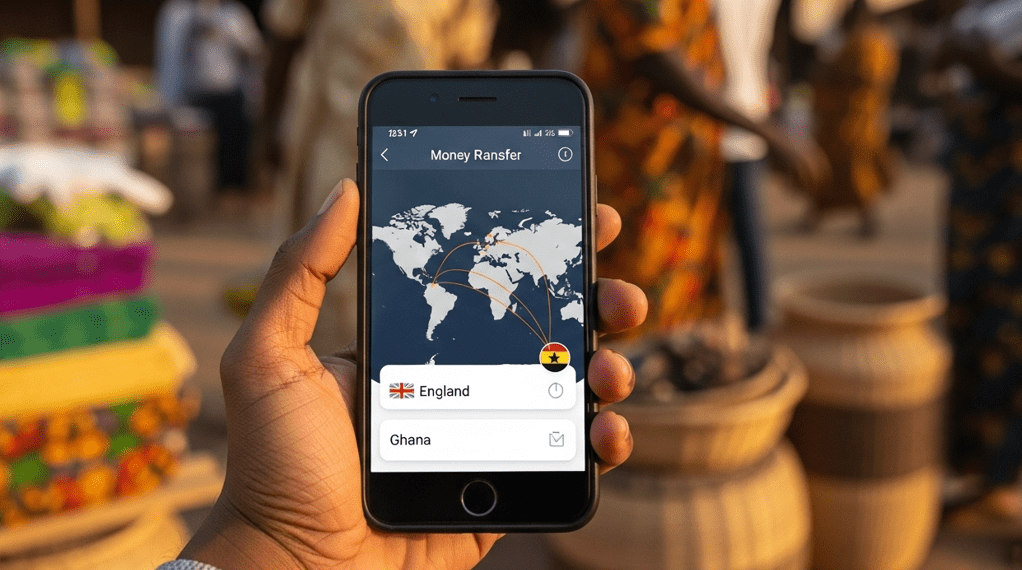
Ever tried to remit funds from England to Ghana only to face unexpected delays, hidden fees, or frustrating complications? When sending money across borders, what should be a straightforward transaction often becomes an exercise in patience and problem-solving. Unfortunately, many traditional money transfer services leave senders wondering when—or if—their money will arrive safely. Thankfully, there are better options available today. DexRemit was specifically designed to transform this experience, making international transfers fast, predictable, and stress-free. With real-time exchange rates and rapid delivery through Ghana’s trusted mobile wallet network, you can now send money with complete confidence that every pound reaches its destination securely. In this comprehensive guide, we’ll walk you through the entire process of safely transferring money from the UK to Ghana. From choosing the right service to understanding exchange rates and avoiding common pitfalls, we’ve got you covered with practical advice for your next international transfer. Choosing the Right Way to Remit Funds from England to Ghana Transferring money internationally requires careful consideration of available options. While traditional banks have long been the go-to choice for sending funds abroad, modern digital platforms have created more efficient alternatives for those looking to remit funds from England to Ghana. Bank transfers vs. online platforms Traditional bank transfers offer security but often come with significant drawbacks. Major UK banks typically charge higher fees and provide less favorable exchange rates compared to specialized services. Furthermore, bank transfers can take several days to process, requiring recipients to have an existing bank account in Ghana. In contrast, online money transfer platforms like Wise, WorldRemit, and Revolut have transformed international transfers by offering more competitive rates, lower fees, and faster delivery times. These digital services enable users to send money directly from UK bank accounts to Ghanaian banks or mobile wallets—often within minutes rather than days. What to look for in a remittance service When selecting a remittance service, several factors deserve your attention: Why speed and transparency matter In today’s digital environment, expectations for international transfers have evolved dramatically. About 79% of consumers and 76% of SMEs now expect international payments to be completed within one hour or less. Though only 24% of consumers demand instant transfers, this expectation continues to rise as domestic payment systems increasingly move toward real-time processing. Transparency has become equally crucial. Without clear tracking and fee structures, customers quickly lose confidence and switch providers. Modern services now offer real-time tracking similar to package delivery services, eliminating uncertainty and building trust. How the Transfer Process Works Sending money to Ghana follows a systematic process across most reputable transfer services. Understanding each step ensures your funds arrive safely and efficiently when you remit funds from England to Ghana. Step 1: Create your account Initially, you’ll need to register with your chosen money transfer service. This straightforward process typically requires your email address, a strong password, and verification of your identity. Most services offer registration through their website or mobile app. During this stage, you’ll provide basic personal information, address details, and possibly upload identification documents for verification purposes. Step 2: Enter recipient details Subsequently, you must input accurate information about your recipient. The required details vary based on your chosen delivery method: Step 3: Confirm exchange rate and fees Before finalizing, review the complete transaction details. Reputable services display their fees upfront along with the exact amount your recipient will receive. This transparency allows you to calculate the total cost before proceeding. Moreover, some services offer calculators to estimate costs and see current exchange rates. Step 4: Make the payment Afterward, select your preferred payment method. Options generally include: Step 5: Track your transfer Finally, once payment is submitted, you’ll receive a reference number or tracking code. Most services provide real-time tracking through their website or app. Many transfers to Ghana arrive within minutes, although bank transfers may take 1-3 business days depending on the service. The recipient receives notification when funds arrive, allowing immediate access through their selected method. Understanding Exchange Rates and Timing Exchange rate fluctuations can dramatically impact the value of your money when you remit funds from England to Ghana. Understanding these variations helps maximize the amount your recipients receive in Ghana cedis (GHS). How GBP to GHS rates affect your transfer The British pound to Ghanaian cedi exchange rate directly determines how much money reaches your recipient. Even minor rate differences significantly impact the final amount. For instance, a small 1% fluctuation could cost thousands on substantial transfers. The GBP/GHS rate varies constantly due to multiple factors, including: Currently, 1 British pound equals approximately 14.7041 GHS, yet this figure changes daily. Over the past six months, this rate has fluctuated between a high of 16.9905 GHS (October 7, 2025) and a low of 13.8684 GHS (August 1, 2025). When is the best time to send money? Timing your transfer strategically can yield better rates and lower fees. Many people instinctively send money immediately after receiving their salary—typically during the last five days and first ten days of each month. Unfortunately, this creates peak periods when fees may increase and exchange rates might be less favorable. Consider instead: Using real-time rate tools Several services offer tools to help track and optimize your transfers: Rate alerts notify you when exchange rates reach your desired level, allowing you to time transfers advantageously. Historical rate charts help identify patterns and trends in currency movements. Some platforms employ real-time tracking systems that automatically match interbank benchmarks, preventing hidden margins traditionally embedded in currency conversions. Remember that the interbank rate (sometimes called the mid-market rate) represents what banks use when trading with each other—not what’s available to individuals. The rate you receive will include a margin, which is how currency providers earn revenue. Safety, Support, and First-Time User Tips Safety remains paramount when sending money abroad, particularly when you remit funds from England to Ghana. Ensuring your transfer arrives securely requires attention to several critical factors. How secure are online money transfers? Reputable online transfer services employ robust security measures to protect your transactions. These typically include encryption technology, fraud protection systems, and authentication features like two-factor verification. Many services are regulated by

Uncategorized

A Complete Guide to Sending Money from England to Morocco

International money transfers play a vital role in supporting families, managing cross-border responsibilities, and maintaining financial connections across countries. For individuals living in the UK with personal, educational, or business ties to Morocco, sending money efficiently and securely is a priority. Understanding the available transfer methods, associated costs, and delivery options can help you make informed decisions and avoid unnecessary delays or fees. This guide explains how international money transfers work, outlines the most reliable ways to send funds to Morocco, and highlights what to look for in a modern remittance service. Understanding How to Send Money from England to Morocco To send money from England to Morocco, you need a service that can move funds across borders while converting British Pounds into Moroccan Dirhams accurately and securely. This process involves exchange rates, transfer fees, compliance checks, and payout methods. The quality of the service you choose directly impacts how fast the money arrives and how much the recipient ultimately receives. With globalization and digital finance, traditional banking is no longer the only option. Today, users can choose between banks, digital remittance platforms, mobile wallet transfers, and cash pickup services. Each method has its own advantages and limitations depending on speed, cost, and convenience. Key Factors to Consider When Sending Money Internationally Before choosing a transfer method, it’s important to evaluate a few essential factors: A reliable service should provide clarity across all these areas, ensuring transparency and peace of mind. Traditional Bank Transfers: Reliable but Often Expensive Banks are often considered the safest route for international transfers, as they operate under strict regulations. However, they typically rely on intermediary banking networks, which can slow down transfers and increase costs. Common challenges with bank transfers include high service fees, less favorable exchange rates, and processing times that may take several business days. Additionally, banks often lack real-time tracking, leaving senders uncertain about when funds will arrive. While banks may suit large corporate transactions, they are often not ideal for regular personal remittances. Digital Remittance Platforms: A Smarter Solution Digital money transfer services have become the preferred option for many users due to their efficiency and cost-effectiveness. These platforms are designed specifically for international payments and eliminate many of the inefficiencies associated with traditional banking. Key benefits include faster processing, competitive exchange rates, lower fees, and easy access through online platforms or mobile apps. Most importantly, digital services provide clear pricing before you confirm a transfer, allowing you to see exactly how much the recipient will receive. Payout Options in Morocco Morocco offers multiple ways for recipients to access transferred funds. Bank deposits are common for individuals with local bank accounts, while cash pickup services are useful for those who prefer physical access to funds. Some services also support wallet-based or instant payout options depending on regional infrastructure. Choosing the right payout method depends on the recipient’s location, access to banking services, and urgency of the transfer. Why DexRemit Is a Trusted Choice for Sending Money DexRemit has positioned itself as a modern and reliable solution for international money transfers, designed to meet the needs of individuals sending funds across borders. Security and Compliance DexRemit operates under strict regulatory standards, ensuring all transactions comply with international financial regulations. Advanced security protocols protect user data and funds throughout the transfer process. Fast and Consistent Transfers Speed is a major advantage. Transfers are often processed quickly, with many transactions completed within minutes, depending on the selected payout method. Bank deposits typically arrive within one to three business days. Transparent Pricing DexRemit offers clear and upfront pricing. Users can view exchange rates and total transfer costs before confirming a transaction, eliminating surprises and hidden fees. User-Friendly Experience The platform is designed for simplicity. Users can send money, track transfers, and manage transactions easily through an intuitive interface, making it suitable for both first-time users and frequent senders. Global Reach DexRemit supports transfers to a wide range of countries, making it a practical choice for individuals with international financial needs beyond Morocco. Tips for a Smooth Money Transfer Experience To ensure successful transfers: Being proactive helps reduce friction and ensures your funds arrive safely. Final Thoughts Sending money internationally doesn’t have to be complicated or expensive. When you send money from England to Morocco, choosing a modern and reliable transfer service can significantly improve speed, transparency, and overall value. While traditional banks still play a role, digital remittance platforms offer a more efficient alternative. DexRemit stands out by combining strong security, competitive rates, fast delivery, and an easy-to-use platform. Whether you’re supporting family, covering education expenses, or handling cross-border payments, using the right service ensures your money works harder for you and reaches its destination without unnecessary delays.

Uncategorized

Reliable Methods to Transfer Money from the UK to Tanzania

When you need to transfer money from UK to Tanzania, choosing a reliable and secure service is essential. Whether you are supporting family members, covering education costs, managing business payments, or assisting with daily expenses, understanding the safest and most efficient transfer methods can make a real difference. This guide explores trusted ways to send money internationally, highlights key factors to consider, and explains how modern digital transfer services are improving the remittance experience. Why Choosing the Right Money Transfer Method Matters International money transfers involve more than simply sending funds across borders. Exchange rates, processing fees, delivery speed, and security standards all affect the final amount received. Traditional methods often rely on outdated systems that result in high costs and long delays. For individuals sending money regularly, these inefficiencies can quickly add up. Selecting a reliable transfer method ensures your recipient in Tanzania receives funds on time and with minimal deductions. With remittance costs to African countries often higher than the global average, choosing the right provider can significantly improve value and convenience. Traditional Banks: Secure but Less Efficient For decades, banks have been a common option for international money transfers. They are regulated institutions that offer a high level of security and direct bank-to-bank transfers. However, traditional banking systems often involve multiple intermediaries, which increases both processing time and cost. Key limitations of bank transfers include: While banks may still be suitable for large or formal transactions, they are often not ideal for frequent or smaller transfers where speed and cost efficiency matter. Digital Money Transfer Services: A Modern Alternative Digital remittance platforms have transformed the way people send money internationally. These services are designed specifically for cross-border payments and offer several advantages over traditional banking methods. Benefits of digital transfer services include: These services allow users to send money directly to bank accounts, mobile wallets, or cash pickup locations in Tanzania, making them a practical choice for everyday remittances. Mobile Wallets and Cash Pickup Options Mobile money is widely used across Tanzania, providing a convenient way for recipients to receive funds without needing a traditional bank account. Transfers to mobile wallets are often processed instantly, allowing recipients to access funds immediately for essential needs. Cash pickup services remain popular as well, particularly in areas where banking access is limited. With this method, recipients can collect funds from authorized locations using valid identification, offering flexibility and speed. Why DexRemit Is a Trusted Choice Among digital transfer services, DexRemit has built a strong reputation as a reliable and secure solution for international money transfers. Strong Security and Regulation DexRemit operates under strict regulatory standards, ensuring that customer funds and personal data are protected. Advanced encryption and compliance measures provide confidence with every transaction. Fast and Reliable Transfers Speed is a major advantage. Many transfers are processed within minutes, while bank deposits typically arrive within one to three business days depending on local banking conditions. Transparent Pricing DexRemit offers clear pricing with no hidden fees. Users can see exchange rates and total costs before confirming a transfer, helping them make informed decisions and avoid unexpected charges. Global Reach and Flexibility The platform supports transfers to a wide range of countries, making it suitable for individuals who send money internationally on a regular basis. This flexibility allows users to manage multiple remittance needs from a single platform. Easy-to-Use Platform DexRemit provides a user-friendly online experience that allows customers to send money, track transfers, and receive updates effortlessly. The intuitive interface makes it accessible even for first-time users. Tips for Sending Money to Tanzania Successfully To ensure smooth and cost-effective transfers: Being informed helps reduce costs and ensures your money reaches its destination safely and on time. Final Thoughts Choosing the right method to transfer money from UK to Tanzania is about balancing security, affordability, and speed. While traditional banks still offer reliability, they often lack efficiency and cost transparency. Digital transfer platforms have introduced a smarter way to send money internationally, offering better value and convenience. DexRemit stands out as a dependable option, combining fast transfers, competitive rates, strong security, and an easy-to-use platform. Whether you are supporting loved ones or managing international payments, using a modern remittance service can make the process smoother and more rewarding.

Uncategorized

How to Remit Funds from England to Uganda Safely and Quickly

When sending funds to family, paying school fees, or supporting business ventures across borders, speed and security become paramount concerns. We understand the stress that comes with international money transfers – wondering if your hard-earned money will arrive intact and on time. That’s where reliable transfer services make all the difference. DexRemit delivers funds remarkably fast, often within minutes for mobile wallet recipients and just a few hours for bank accounts. Additionally, you can track your transfer in real time until it reaches your recipient. Unlike traditional methods, modern services offer multiple ways to access funds. DexRemit supports transfers to major Ugandan banks as well as popular mobile wallets like MTN Mobile Money and Airtel Money. Meanwhile, your peace of mind is guaranteed as every transaction is protected with bank-grade encryption, verified local partners, and real-time monitoring. In this guide, we’ll explore everything you need to know about sending money from England to Uganda efficiently and securely. Let’s get started! Why People Send Money from England to Uganda Sending money across borders serves critical purposes for many Ugandan families. Understanding these motivations helps appreciate why reliable money transfer services matter. Here’s why people move money from England to Uganda: Helping family with daily expenses Thousands of Ugandans living in England regularly send money home to support their loved ones. According to research, approximately 70% of funds in money transfer flows support immediate necessities including food, shelter, and clothing. For many families, these remittances represent a vital lifeline, particularly during economic hardships or health emergencies. DexRemit understands this urgency, offering instant transfers that ensure families receive support precisely when needed. Paying school fees on time Education in Uganda isn’t free, creating a significant barrier for many families. Schools operate on a three-term system, requiring payment each term. For 2024, costs have risen to approximately £100 per term per student. Furthermore, children without full payment risk being sent home or denied their academic certificates, essentially making their entire year of learning worthless. Through DexRemit, parents and sponsors in England can ensure these crucial payments arrive before deadlines, preventing educational disruption. Supporting small businesses and projects Economic development remains another compelling reason people transfer funds from England. Many small-scale entrepreneurs in Uganda rely on support from relatives abroad to launch or expand their businesses. From pancake carts and vegetable stalls to bakeries, these microenterprises create sustainable livelihoods. Consequently, timely financial transfers can make the difference between a thriving business and a missed opportunity. DexRemit’s competitive exchange rates ensure entrepreneurs receive maximum value from each pound sent. Funding home construction or renovations Home ownership represents a significant investment for many Ugandan families. Financial institutions offer construction loans with minimum amounts of UGX 75,000,000, providing up to 80% financing for single residential units. Nonetheless, many families prefer receiving support directly from relatives abroad rather than taking formal loans. This approach often proves more flexible and avoids interest payments. DexRemit facilitates these larger transfers securely, allowing families to build their dreams brick by brick. How to Transfer Money Safely and Quickly Transferring funds between countries requires careful planning to ensure your money arrives safely. Let me show you a straightforward process for moving money from England to Uganda effectively. Choose a trusted money transfer service Finding a reliable service should be your first priority. Look for providers that are regulated and have a solid track record. Companies like WorldRemit have over 5 million customers who trust their service. Moreover, established providers typically implement strict verification processes to ensure compliance with regulations and deter criminal activity. Beyond regulations, consider providers that offer dedicated teams for monitoring transactions and detecting unusual activity. Notably, many reputable services have been operating for decades—Western Union, for instance, has been sending money globally for over 150 years. Compare exchange rates and fees Hidden costs can significantly reduce the amount your recipient gets. First, be aware that many banks and providers charge you twice—once through the transfer fee and again through hidden markups in the exchange rate. For maximum transparency, look for services that use the mid-market exchange rate (the fairest rate typically shown on Google). Prior to confirming your transfer, calculate the full price including all fees and exchange rate differences. Indeed, some services allow you to lock in favorable rates for 24 hours, giving you time to complete your transaction without losing out if exchange rates fluctuate. Select a secure payment method Most providers offer multiple payment options. You can pay via bank transfer, debit/credit card, or sometimes cash at agent locations. For faster transfers, credit or debit card payments typically process more quickly than bank transfers. Subsequently, confirm your transfer service encrypts all personal and financial information to protect your data. Track your transfer in real time Once you’ve initiated your transfer, tracking capabilities provide peace of mind. Many services offer real-time tracking through their websites or mobile apps. Western Union provides a Money Transfer Control Number (MTCN) for each transaction, while 90% of WorldRemit transfers to Uganda reach local partners within minutes. This visibility allows you to know exactly when your money will arrive and when it becomes available to your recipient. Advanced Options for Large or Business Transfers For businesses and individuals handling larger money transfers between England and Uganda, standard services might not provide enough protection or flexibility. Specialized options exist specifically for high-value transactions where even small rate fluctuations can significantly impact the final amount. Use forward contracts to lock exchange rates Currency markets constantly fluctuate, creating uncertainty for anyone planning major transfers. Forward transfer agreements offer a valuable solution by securing an agreed rate for a future date. This protection shields planned expenses from currency risk, especially important for business transactions or major life events like property purchases. DexRemit provides this forward contract option, allowing you to secure today’s rate even if you’re not ready to send the money immediately. This approach creates certainty in your financial planning despite market volatility. Split large transfers to reduce risk Sending substantial amounts all at once can be risky. Hence, DexRemit offers split-transfer execution where large sums can be delivered in smaller portions. This method averages your foreign exchange exposure across different

Scroll to Top