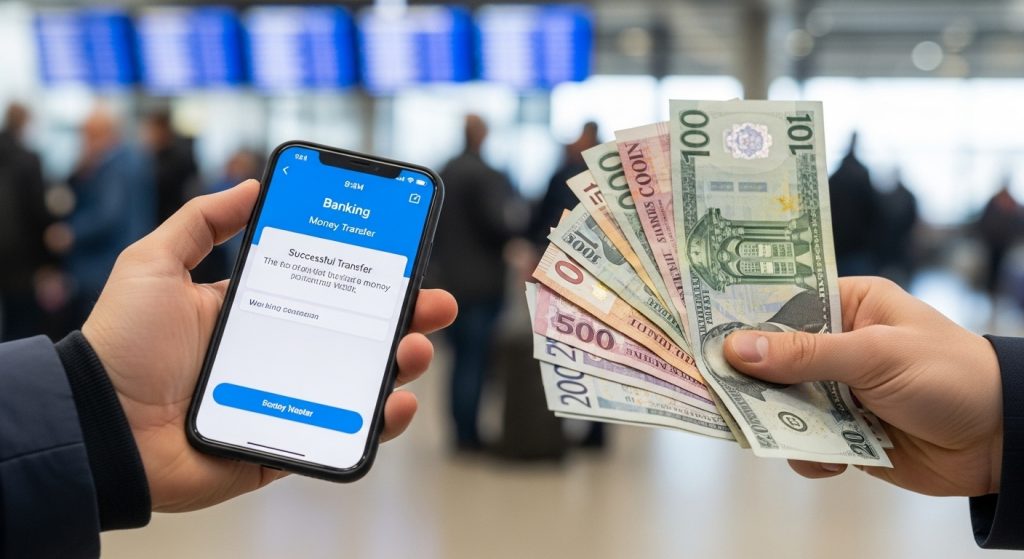

The Evolution of Financial Connectivity in the Somali Diaspora
The migration of populations establishes permanent economic corridors spanning continents. Capital movement across these corridors sustains entire regional economies and provides critical liquidity to developing markets. The Somali diaspora operates one of the most resilient monetary networks globally, demonstrating remarkable adaptability regardless of structural financial barriers. This demographic consistently bridges the gap between global financial hubs and local communities facing severe infrastructure deficits. Historically, this demographic relied on complex webs of human trust to move capital across borders. These networks facilitated capital injections where formal banking systems hesitated to operate due to geographical challenges and systemic risk aversion. The transition from physical trust networks to digital architecture represents a monumental shift in global monetary logistics. This evolution ensures that capital reaches its intended destination with unprecedented speed and uncompromising security. Structural integration into the global financial system requires overcoming substantial regulatory hurdles. Sender countries impose strict anti money laundering protocols designed to monitor international capital flows rigorously. Conversely, recipient regions often lack the standardized identification frameworks demanded by international banking consortiums. This regulatory mismatch creates significant friction for anyone attempting to move capital across these specific borders. Financial intermediaries must build custom compliance engines to bridge this gap effectively. Building these engines requires deep understanding of regional nuances alongside strict adherence to international financial laws. The cost of unplanned transaction delays heavily impacts families relying on these capital flows for fundamental necessities, making efficient system design a matter of economic survival. Engineering direct financial bridges mitigates the mechanical degradation inherent in correspondent banking. When individuals decide to Remit Funds from England to Somalia, they bypass multiple intermediary banks that traditionally syphon value through hidden foreign exchange margins. Modern infrastructure routes fiat currency through encrypted digital ledgers directly into local mobile wallets. This architectural bypassing eliminates the prolonged wait times typical of older wire transfer methodologies. It ensures that the exact intended capital volume reaches the recipient without unpredictable deductions. This direct routing creates a transparent, highly efficient pipeline that respects the hard earned capital of the diaspora while immediately empowering the receiving community. Structural Bottlenecks in Legacy Systems Legacy correspondent banking models rely on a chain of intermediary institutions to process international transactions. Each node in this chain extracts a fee and adds processing time to the overall settlement sequence. For the Horn of Africa, this chain is exceptionally fragile and prone to disruption. The absence of a central banking authority fully integrated with the traditional wire network previously meant that funds had to bounce through regional clearing houses before reaching their final destination. This multi hop architecture resulted in unpredictable foreign exchange margins and high rates of transaction failure. The mechanical degradation of these legacy pipelines occurs when manual compliance checks stall automated routing. If a single intermediary bank flags a transaction for manual review, the entire capital flow halts indefinitely. The cost of unplanned downtime in these financial pipelines translates directly into localized economic distress for the receiving parties. Furthermore, the opacity of correspondent banking prevents the sender from tracking their capital in real time. This lack of visibility breeds distrust and forces users to seek alternative, sometimes less secure, methods of capital transmission. Replacing this outdated architecture requires engineering a completely new pathway that eliminates the middlemen entirely. Cryptographic Protocols and Ledger Synchronization The technological pivot involves replacing multi hop intermediary routing with cryptographic verification and direct ledger updates. Modern platforms utilize sophisticated application programming interfaces to synchronize digital ledgers across borders instantly. When a sender initiates a transfer in British Pounds, the system instantly locks in the exchange rate and queries a localized liquidity pool in the destination country. The transaction is verified through advanced encryption standards, ensuring absolute data integrity across the transmission corridor. This digital handshake completely circumvents the traditional correspondent banking nodes. Capital representation shifts from the sender to the receiver within milliseconds, rather than days. The underlying technology relies on pre funded liquidity pools managed by the transferring entity. Instead of moving actual fiat currency across borders for every single transaction, the system simply updates the cryptographic ledger simultaneously on both ends. This methodology drastically reduces the systemic risk of capital loss during transit. It provides a mathematically verifiable audit trail for regulators while delivering a frictionless experience for the end user. Metric Driven Efficiency Gains Transitioning from legacy infrastructure to direct digital rails produces highly quantifiable benefits for the user base and the broader economic ecosystem. Operating a streamlined technological stack directly impacts the core metrics that define transfer quality. Navigating Regulatory Scrutiny Frictionlessly Maintaining the integrity of financial corridors requires robust compliance frameworks that do not penalize legitimate users. Financial technology companies deploy artificial intelligence algorithms to screen transactions against global sanction lists instantaneously. These algorithms analyze behavioral patterns and transaction histories to separate genuine diaspora support from illicit capital flow. Biometric identity verification procedures streamline the Know Your Customer protocols required by financial authorities. Senders authenticate their identity through advanced facial recognition and document scanning software utilizing their smartphone cameras. This technological approach compares the biometric data against government issued identification documents in real time. It filters out fraudulent activity while creating zero friction for legitimate individuals sending support home. This methodology represents the perfect balance between stringent regulatory adherence and accessible user experience. The system learns continuously, reducing the rate of false positive flags that historically plagued traditional banking compliance departments. Mobile Money Penetration Dynamics The last mile delivery of capital remains the most critical phase of the transaction cycle. In regions lacking physical bank branches, telecom operators provide the primary financial infrastructure. High mobile phone penetration enables the widespread adoption of mobile money wallets, turning everyday cellular devices into personal financial terminals. Financial bridging technologies integrate directly with these telecom infrastructure endpoints. This deep integration allows incoming capital to bypass physical cash pickup locations entirely. The funds appear directly on the recipient cellular device, instantly ready for localized merchant payments or utility settlements. This dynamic removes the physical security risks associated with carrying large volumes of