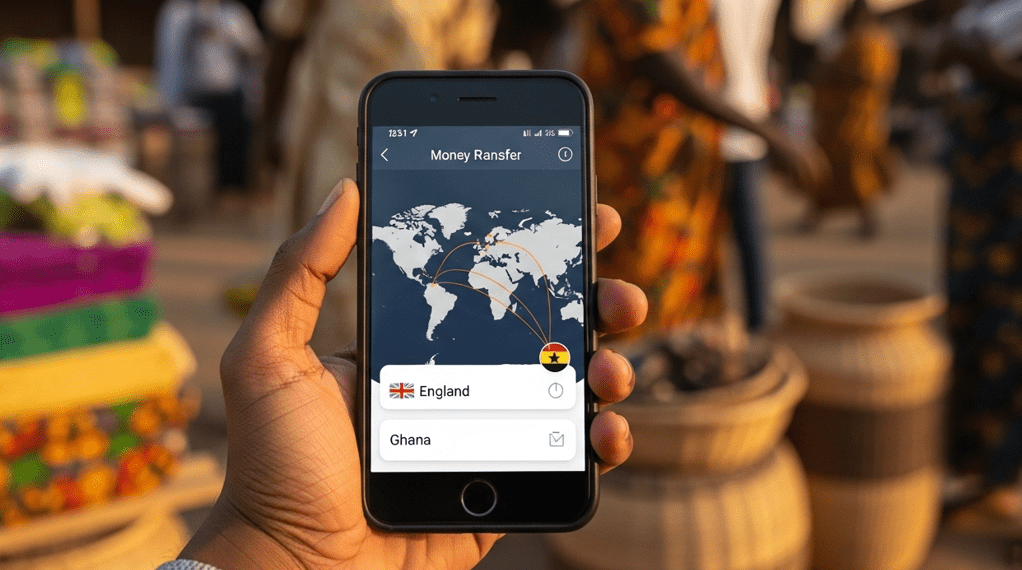
Common Pitfalls to Avoid When Supporting Loved Ones Abroad
Supporting family from afar through services like Transfer Money from England to Pakistan can be emotionally complex, yet studies show family relationships significantly affect your psychosocial, behavioral, and physiological well-being, highlighting the need to understand Common Pitfalls to Avoid When Supporting Loved Ones Abroad. While moving abroad offers exciting new beginnings and opportunities, it quietly strains relationships in ways many don’t anticipate. Unfortunately, this strain often goes unaddressed. In fact, research indicates that 15.6% of immigrants experience depression, with disconnected family relationships being a key trigger. When handling responsibilities like Transfer Money from England to Pakistan, we often overlook the deeper challenges of cross-border caregiving. Caregiving is certainly a team sport, but distance adds complications that require careful navigation. In this guide, we’ll explore the common pitfalls that arise when supporting loved ones abroad and provide practical solutions to help maintain strong family connections despite the distance. From starting conversations too late to letting emotions drive decisions, these insights will help you build a more effective support system for your family members living far away. Starting the Conversation Too Late Many families postpone crucial conversations about long-distance support until a crisis occurs. This reactive approach often leads to hasty decisions and missed opportunities for proper planning, especially when managing responsibilities like sending money to loved ones. Why early planning matters Initiating conversations about long-distance support early creates a foundation for effective care coordination and organized financial affairs. Without proper planning, caregivers living far from loved ones may struggle with inadequate information and an inability to provide hands-on support when problems arise. Furthermore, this lack of preparation frequently results in feelings of guilt and helplessness. Early discussions also prevent the “crisis mode” decision-making that happens when situations deteriorate rapidly. As one expert notes, “Sometimes things happen very rapidly, and they can have very serious situations going on, but [aging parents] aren’t either willing or able to communicate it until it becomes a crisis”. Additionally, advance planning allows time to research options for transferring money safely and efficiently. Signs it’s time to talk Watch for these indicators that suggest it’s time to begin the conversation: The presence of these signs doesn’t necessarily mean drastic measures are needed immediately, yet they certainly warrant a thoughtful conversation about additional support options. How to approach the first conversation Start by creating an atmosphere of unconditional support and love. As you prepare to discuss sensitive topics such as financial assistance or long-term care, remember that emotions may run high on both sides. Consequently, approach the conversation with patience and empathy. Encourage your loved one to maintain independence by involving them in decision-making. Ask what matters most to them and how they envision receiving assistance. Moreover, suggest small changes first rather than overwhelming them with major life adjustments. Throughout these conversations, remember to dig deeper than surface-level check-ins. Take time to share experiences, challenges, and hopes, as vulnerability strengthens relationships even across borders. Assuming Everyone Understands Their Role Long-distance caregiving often creates a dangerous gap between what each family member expects and what actually happens. This silent misalignment can lead to resentment and inadequate support for your loved ones. The danger of unspoken expectations Role confusion plagues many cross-border care arrangements. Approximately one-third of long-distance caregivers report their role is either stressful or very stressful. Firstly, this stress often stems from social expectations for children to provide care while facing obstacles of time and distance, making them feel their contributions are inadequate. Caring from afar typically creates feelings of helplessness and guilt as caregivers grapple with limitations on their involvement. Clarifying responsibilities across borders Clear communication about who handles what is vital. Long-distance caregivers conduct numerous supportive activities including emotional support, advanced care-planning, financial assistance, and care coordination. Nonetheless, orchestrating local services from abroad can be exceptionally difficult. Create a specific role breakdown outlining who manages day-to-day care, who handles financial matters like when you Transfer Money from England to Pakistan, and who coordinates medical appointments. Subsequently, document these agreements and share them with everyone involved. This prevents the all-too-common scenario where one family member becomes overwhelmed while others assume everything is under control. Involving the right people in the discussion You simply cannot do it all alone from far away. Indeed, building a comprehensive support network is crucial. Identify local family members, friends, and neighbors who can help in emergencies and build relationships with healthcare providers. Consider hiring local care managers to coordinate services when sending money isn’t enough. Additionally, appointing one family member as the main contact for healthcare teams saves time and reduces confusion. Technology serves as a powerful ally in this process. Video calls, messaging apps, and online platforms help manage appointments and medications more effectively. Notably, regular virtual family meetings can keep everyone informed and prevent misunderstandings that often occur when family members live across different countries. Overlooking Financial and Legal Planning Financial support typically forms the foundation of cross-border caregiving. Yet many overlook the complexities involved in managing money internationally, potentially creating serious problems down the line. Why money matters in long-distance caregiving Financial assistance for family abroad often becomes a recurring obligation, not just occasional help. Understanding this reality early helps you create sustainable support systems. Setting up regular contributions—whether for living expenses, healthcare costs, or education—requires careful planning to avoid putting your own finances at risk. Beyond simply sending funds, effective financial planning involves: Remember that your own financial stability must remain a priority. You cannot effectively help parents or other relatives if your finances are in disarray. Common legal oversights As people age, their ability to manage finances often diminishes. Unfortunately, many families fail to address crucial legal preparations until a crisis emerges. Locating essential documents becomes especially challenging across borders. Make sure you know where to find: For international families, inheritance laws become particularly complicated since different countries operate under completely different legal frameworks. What might seem straightforward in England could have unexpected tax implications or legal challenges in Pakistan. How to transfer money from England to Pakistan safely With over 1.5 million people of Pakistani origin living in Britain, finding secure and cost-effective transfer methods