

When you send money from England to Lebanon, timing can significantly impact how much your recipient actually gets, illustrating the core principle of Why Timing Matters When Moving Funds Internationally. Even a small change in the exchange rate can make a difference of thousands in the final amount. For example, transferring £100,000 at a rate of 1.20 versus 1.18 results in a €2,000 difference in what your recipient receives.
In fact, most international money transfers happen during the last 5 days of the month and the first 10 days of the next month. However, this timing isn’t always optimal. Weekday rates respond to live market conditions and update in real-time, offering more accuracy, whereas weekend rates often move less but can cost more due to increased spreads. Additionally, international transfers typically take one to five business days through traditional banking channels, and most banks don’t process foreign exchange transfers on weekends or holidays.
We’ve created this comprehensive guide to help you understand when and how to time your transfers for maximum value. Whether you’re supporting family, paying for property, or handling business transactions, knowing the best days to send money from England to Lebanon can save you significant amounts in the long run.
How timing affects exchange rates
The day of the week you choose to send money from England to Lebanon can determine how much Lebanese currency your recipient gets. Currency markets follow predictable patterns throughout the week that directly impact your transfer value.
Weekday vs weekend market behavior
The forex market operates 24 hours a day during weekdays but follows distinct patterns. Generally, midweek days (Tuesday through Thursday) offer the most stable and favorable exchange rates for sending money internationally. These days provide the best balance of market activity and stability, making them ideal for currency transfers. Fridays often see late swings as traders close positions for the weekend, while Mondays can be volatile as markets react to weekend news. Furthermore, trading volumes build gradually throughout the week, with peak activity occurring during midweek sessions.
Why spreads increase on weekends
Weekend transfers typically come with hidden costs. Since banks don’t know what Monday’s rate will be when markets reopen, they charge slightly higher rates to protect themselves against potential market movements. Consequently, the spread (difference between buying and selling prices) widens significantly during weekends. This happens primarily because major financial institutions are offline, creating extremely low liquidity in the market. Even small transaction orders can cause disproportionately large price movements in this thin weekend market. When sending money from England to Lebanon on weekends, these wider spreads directly reduce the amount your recipient gets.
How global events impact midweek rates
Midweek rates respond most predictably to economic announcements and global events. Major economic data releases like inflation reports, GDP figures, and employment statistics typically occur Tuesday through Thursday when market participation is highest. These scheduled releases create patterns that experienced money transfer providers can anticipate. Notably, when London and New York trading sessions overlap (roughly between 12:00 to 16:00 GMT), trading volumes surge as market participants from both regions engage simultaneously. This overlap creates the most liquid market conditions, often resulting in more competitive exchange rates for sending money from England to Lebanon.

Processing speed and delivery delays
The time it takes for your money to travel from England to Lebanon depends on several critical factors beyond just when you initiate the transfer.
Banking hours in sender and recipient countries
Each financial institution operates within specific hours, accordingly delaying transfers sent outside these periods until the next business day. Typically, international transfers initiated after hours on Friday won’t be processed until the following Monday. Moreover, national holidays in either England or Lebanon can extend processing times substantially. Religious celebrations like Eid in Middle Eastern countries often mean multi-day banking closures that directly affect transfers to Lebanon.
Impact of time zones on fund movement
The time difference between England and Lebanon creates a coordination challenge between financial institutions. Specifically, when it’s morning in London, Lebanese banks are already in their afternoon hours. As a result, transfers sent late in the UK day might miss the processing window in Lebanon until the next business day. This asynchronous operation essentially means that even a perfectly timed transfer faces a built-in delay due to geographic separation.
How payment methods affect speed
The method you choose to send money greatly influences delivery time. Traditional wire transfers via SWIFT typically take between 1-5 business days. Electronic transfers often move faster than paper-based methods, which require additional international clearing processes. Financial institutions with direct relationships process transfers more rapidly than those requiring multiple intermediary banks each additional bank in the chain adds processing time.
Why cutoff times matter
Cutoff times represent the daily deadline after which your transfer won’t process until the next business day. These deadlines, ranging from 2:00 PM to 5:15 PM depending on your bank, allow institutions to complete necessary paperwork and regulatory checks. Missing your bank’s cutoff time can delay your England to Lebanon transfer by an entire day. These cutoffs primarily exist to ensure compliance with international regulations and fraud prevention protocols.
Best days and times to send money
Choosing the right day to send money from England to Lebanon can save you both time and money. Let’s look at the smartest timing strategies for international transfers.
Why Tuesday to Thursday are ideal
Midweek transfers typically offer the most stable exchange rates. Tuesday through Thursday provide consistent rate movements and active banking systems. These days feature the highest liquidity as all major global markets overlap, creating optimal conditions for currency exchange. This midweek sweet spot exists primarily because financial institutions worldwide are fully operational with predictable clearing times.
Avoiding Monday volatility and Friday delays
Monday transfers often face early-week volatility as markets adjust to weekend news. On Fridays, banks begin closing positions for the weekend, creating what financial experts call the “summary effect”. Even worse, initiating transfers after Friday cutoff times means your money won’t begin processing until the following Monday. This translates to potentially longer waits for your recipient in Lebanon.
Sending during overlapping business hours
The optimal window for sending money from England to Lebanon is when banking hours in both countries overlap. This typically occurs during early afternoon UK time. Specifically, the overlap between London and New York markets (12PM-4PM GMT) creates the highest liquidity and tightest spreads. For transfers to Lebanon, this timing helps ensure same-day processing at both ends.
Mid-month vs end-of-month transfers
Most international transfers happen during the last 5 days and first 10 days of each month, yet this creates congestion and sometimes less favorable rates. Instead, sending money between the 10th and 20th offers several advantages. This mid-month period typically experiences lower demand, potentially resulting in better rates and faster processing times. Banking systems are also less burdened during this period, allowing for smoother handling of your transfer to Lebanon.
How to plan smarter international transfers
Planning ahead transforms your experience when sending money from England to Lebanon. With the right tools and strategies, you’ll secure better rates and faster deliveries for your transfers.
Use rate alerts and tracking tools
Smart senders never leave exchange rates to chance. Setting up rate alerts notifies you when your desired rate is reached, allowing you to capitalize on favorable market movements. These notifications arrive via email or SMS, letting you complete transfers at optimal times. Plus, you’ll never lose track of your payment modern tracking systems offer real-time visibility into your transfer’s journey across borders. When using SWIFT networks, request an MT103 document to track your payment precisely.
Schedule transfers in advance
Scheduling removes the stress of timing transfers perfectly. Most providers let you set up transfers at least two days ahead. This automation approach solves the reliability problem entirely once scheduled, your money moves automatically on your chosen dates without manual intervention. Some services even offer recurring payment options (weekly, bi-weekly, monthly, quarterly), ideal for regular family support or business expenses.
Choose digital-first or real-time services
Traditional bank transfers are being outpaced by digital alternatives. Real-time services can deliver funds to accounts linked to eligible cards in 30 minutes or less. The collaboration between major providers like MoneyGram and Mastercard now offers near real-time payments across borders. Digital wallet usage continues expanding rapidly, with global users expected to surpass 5.2 billion by 2026.
Tips for sending money from England to Lebanon
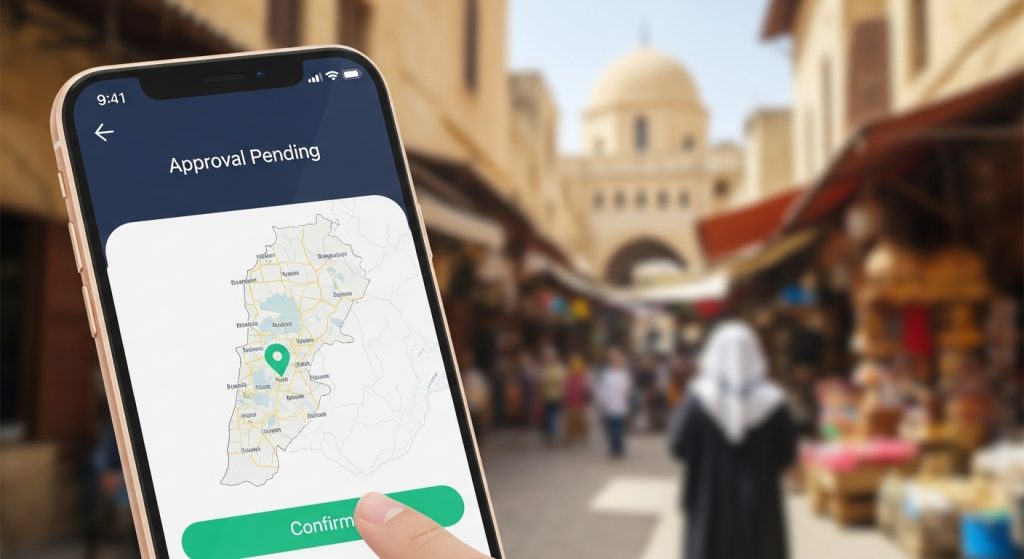
For England-to-Lebanon transfers specifically, using debit or credit cards typically results in faster delivery compared to bank transfers. Furthermore, 90% of digital transfers to Lebanon arrive within minutes when sent through specialized services. Many providers now offer dedicated mobile apps that streamline the sending process while providing live exchange rates and instant tracking capabilities.
Conclusion
Timing clearly matters significantly when transferring money from England to Lebanon. Understanding market patterns can save you thousands in your international transfers. Tuesday through Thursday present the most stable periods for sending funds, mainly because midweek offers optimal liquidity as global markets overlap. Consequently, these days typically provide better rates than volatile Mondays or slow-processing Fridays.
Additionally, considering time zones between countries will help you maximize transfer efficiency. Sending money during overlapping business hours ensures faster processing without unnecessary delays. The mid-month period between the 10th and 20th also offers advantages through reduced congestion and potentially better rates.
Modern technology now enables smarter transfers than ever before. Rate alerts notify you when favorable conditions emerge, while tracking tools give peace of mind through real-time visibility. Scheduled transfers eliminate timing stress altogether, especially for regular payments.
Digital-first services have drastically reduced delivery times compared to traditional banking methods. Many specialized providers now deliver funds to Lebanon within minutes rather than days. Therefore, choosing the right service alongside perfect timing creates the optimal transfer experience.
Time truly equals money when moving funds internationally. A thoughtful approach to when you initiate transfers can result in substantial savings over time. Whether supporting family, purchasing property, or conducting business, these timing strategies will help maximize the value of every pound you send to Lebanon.