

Transferring funds from England to India has become a crucial financial activity for over 10 million Non-Resident Indians (NRIs) living across various countries. According to a World Bank report from December 2023, India is projected to become the largest recipient of remittances, with an anticipated surge of 12.4% to reach $125 billion in 2023 and potentially $135 billion in 2024.
While the UK government doesn’t impose any legal restrictions on the amount of money that can be sent overseas, finding the best method to transfer funds from England to India can still be challenging. We understand that many NRIs regularly remit money to India for various purposes, including family support, property investments, and personal savings. However, with numerous providers like Wise, Remitly, Revolut, PayPal, Western Union, and MoneyGram offering different services, choosing the right option requires careful consideration.
In this comprehensive guide, we’ll walk you through the most efficient ways to transfer funds from England to India, compare various methods, and provide a step-by-step process to ensure your money reaches its destination safely and cost-effectively.
Why NRIs Send Money from England to India
For millions of Indians residing in the UK, sending money back to India represents more than just a financial transaction—it’s a lifeline connecting them to their roots and responsibilities. The record-breaking USD 125 billion in remittances India received in 2023 highlights the significance of these transfers in supporting both families and the Indian economy.
Family support and maintenance
Providing financial support to family members remains the primary motivation for NRIs to transfer funds from England to India. These remittances form a vital bridge between NRIs and their lives in India. Furthermore, such transfers create financial stability for countless families back home. One significant advantage is that money received for family maintenance or supporting family members is generally not taxable in India. This tax exemption makes it an efficient way to fulfill family obligations without additional financial burden on the recipients.
Investments and property purchases
Many NRIs view India as a viable investment destination with promising growth potential. Real estate investments are particularly popular among NRIs looking to transfer large sums to India. Property purchases offer multiple benefits—robust increase in property values, rising rental income, and the opportunity to secure a place for retirement years. Beyond real estate, NRIs also transfer funds to invest in mutual funds, fixed deposits, and government schemes that offer a combination of security, growth, and tax efficiency. These investments allow NRIs to participate in India’s economic growth story even while residing abroad.
Education and medical expenses
Funding education and covering medical expenses constitute another significant reason for transfers. With rising costs of quality education and healthcare in India, NRIs often send money to support their children’s schooling, siblings’ college tuition, or parents’ medical treatments. Notably, transfers made specifically for educational funding or medical care expenses are tax-exempt for the recipients. This exemption makes it financially prudent for NRIs to directly pay for these essential services rather than sending general-purpose funds.
The transfer process has become increasingly streamlined, with most banks promising delivery of funds within 1-2 working days. Moreover, there’s no upper limit on how much money can be sent from the UK to India, though individual banks may impose their own daily or monthly limits.
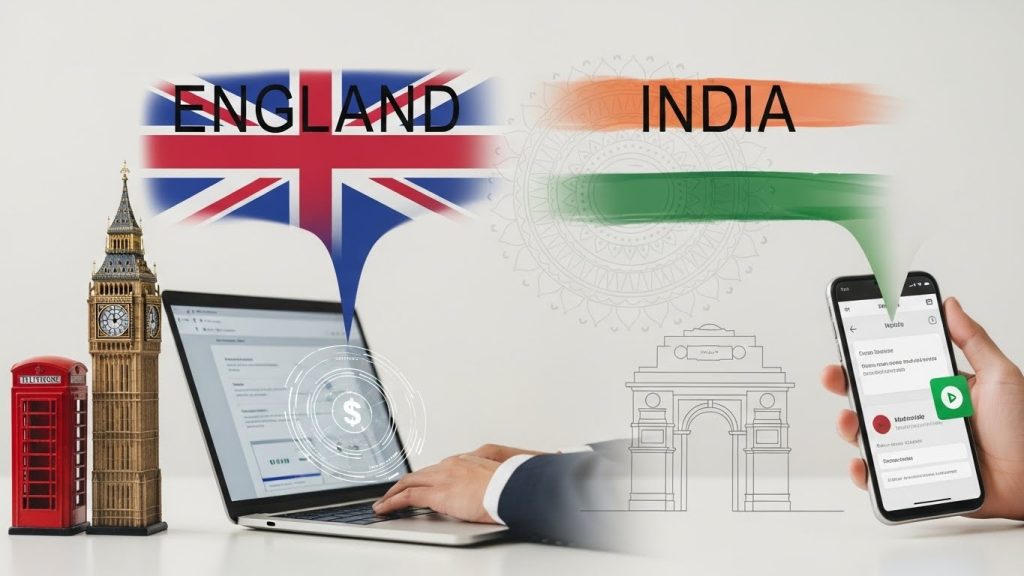
8 Best Ways to Transfer Funds from England to India
When choosing how to send money from England to India, several reliable options exist, each with distinct advantages. Let’s examine the most effective methods for your remittance needs.
1. Bank transfers via SWIFT
SWIFT transfers remain the traditional backbone of international banking. This secure network connects financial institutions worldwide, making it especially suitable for transferring large sums for property purchases or investments. Typically, transfers take 1-3 business days to complete, with fees ranging from approximately £15-£50 per transaction. Despite higher costs, SWIFT provides unmatched security for significant transactions with no upper transfer limits.
2. Online remittance services (Wise, Remitly)
Digital platforms like Wise and Remitly have revolutionized international transfers with competitive rates and lower fees than traditional banks. Wise offers the mid-market exchange rate with transparent fees starting around £5.69 for a £1,000 transfer. Remitly charges a flat £1.99 fee regardless of amount, with funds typically arriving within minutes to 5 business days depending on your selected delivery speed.
3. Mobile apps with real-time tracking
Specialized mobile applications provide convenience alongside real-time transfer visibility. Western Union’s app allows users to track transfers, review exchange rates, and locate agent pickup points—all from your smartphone. Similarly, Remitly’s app enables both senders and recipients to follow transactions throughout the entire process, offering peace of mind with their refund guarantee if money doesn’t arrive on time.
4. UPI-based international transfers
The Unified Payments Interface (UPI) system has expanded internationally, allowing NRIs to send money to India using just the recipient’s UPI ID. Western Union enables UPI transfers with real-time tracking capabilities. For foreign remittances, the official limit on UPI transfers is up to INR 2,00,000 (approximately £1,900) per transaction.
5. Western Union and MoneyGram
These established services offer flexibility through both online platforms and physical agent locations. Western Union maintains thousands of pickup points across India, with most transfers to selected Indian banks happening in real-time. MoneyGram similarly provides cash pickup options, making it ideal when recipients need immediate access to funds without a bank account.
6. Foreign currency cheques and drafts
Foreign Currency Demand Drafts (FCDDs) provide a tangible payment option. Once your recipient receives the draft via mail, they can deposit it at their Indian bank. Processing typically takes 7-14 days, with some banks requiring up to 40 international working days for clearance.
7. Cryptocurrency wallets and exchanges
While cryptocurrency transfers offer potential benefits, they face regulatory challenges in India as the Reserve Bank currently restricts banks from providing services to crypto businesses.
8. NRE/NRO account transfers
Non-Resident External (NRE) and Non-Resident Ordinary (NRO) accounts simplify recurring transfers. NRE accounts allow unlimited, tax-free repatriation of both principal and interest. In contrast, NRO accounts (designed for income earned within India) limit repatriation to USD 1 million per financial year. HSBC and SBI UK facilitate these specialized accounts for NRIs.
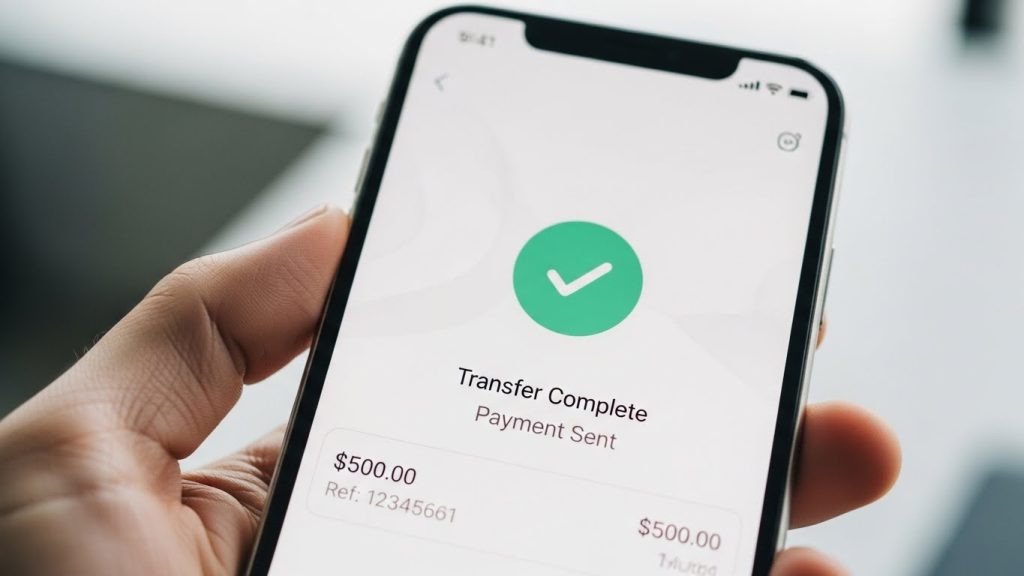
How to Choose the Right Transfer Method
Selecting the ideal method to transfer funds from England to India ultimately comes down to three key factors. Let’s examine how to make the smartest choice for your specific situation.
Compare speed, cost, and convenience
The relationship between speed and cost is straightforward – faster transfers typically cost more. Urgent same-day transfers via card payments generally come with higher fees than standard bank transfers following NEFT timelines. For instance, Remitly offers both “Express” mode for quick delivery and “Economy” mode for lower fees. Likewise, weekend transfers often incur additional charges even with competitive providers. Consider whether you need money to arrive immediately or can wait 1-5 business days for standard transfers.
Check exchange rates and hidden fees
The true cost of any transfer equals the fee plus the exchange rate markup. Many providers advertise “zero fees” but compensate through poor exchange rates. For example, when sending £1,000 to India, Revolut charges £1.50, Wise charges £5.68, and Remitly charges £1.99 for same-day arrival. Yet for £10,000, Revolut’s fee jumps to £105 while Remitly maintains its £1.99 flat rate. Always calculate: (Amount Sent – Fees) × Exchange Rate = Amount Received.
Consider recipient’s access to banking
Your recipient’s banking situation significantly impacts your choice. Direct bank deposits typically cost less than cash pickups. Services like Western Union excel for recipients in areas with limited banking access, whereas online platforms like Wise work best for bank-to-bank transfers. For recipients using UPI (GPay/PhonePe), specialized services like Wise and Remitly offer seamless integration.
Step-by-Step Guide to Sending Money from the UK
Successfully transferring money from England to India requires following a structured process. Here’s a practical guide to ensure your funds reach their destination safely and efficiently.
Step 1: Choose a provider
Begin by comparing exchange rates, fees, and delivery times across multiple providers. Banks often charge higher fees but provide greater security for large transfers. Meanwhile, specialized services like Wise offer competitive exchange rates with transparent fees starting at £5.69 for £1,000 transfers. Consider Remitly for its flat £1.99 fee structure or Revolut’s £1.50 bank transfer fee.
Step 2: Enter recipient details
Next, gather accurate recipient information. Most providers require the full name, address, bank account number plus IFSC code (11-digit number identifying specific bank branches). Additionally, many transfers to India need a specified relationship with the recipient. For UPI transfers, simply enter the recipient’s UPI ID as an alternative to bank details.
Step 3: Select payment method
Subsequently, choose how to fund your transfer. Bank transfers typically cost less but take longer. Debit cards offer faster processing than bank transfers at slightly higher fees. Credit cards provide speed but incur premium charges up to 2.79%. Mobile payment options like Apple Pay and Google Pay combine convenience with competitive rates.
Step 4: Review and confirm
Carefully verify all details before confirming. Double-check the exchange rate, fees, total amount sent, and expected amount received. Certain transfers may require indicating who pays the transfer fees—sender (OUR), recipient (BEN), or shared (SHA).
Step 5: Track your transfer
Finally, monitor your transaction using the provided tracking number. Many providers offer real-time tracking through mobile apps or online portals. Services like Money2India provide comprehensive tracking capabilities from initiation to completion, while banks like Federal Bank allow tracking via reference numbers and transaction dates.
Conclusion
Transferring money from England to India has certainly become more accessible and efficient for NRIs, thanks to the numerous options available today. Each method offers unique advantages depending on your specific needs. SWIFT transfers provide security for large transactions, while online platforms like Wise and Remitly deliver competitive rates with lower fees. Mobile apps offer convenience with real-time tracking capabilities, essentially putting control directly in your hands.
Your choice ultimately depends on three critical factors: the urgency of the transfer, the total cost including exchange rates and hidden fees, and your recipient’s banking accessibility. Families receiving support, investment opportunities, or educational funding all require different approaches to maximize value and minimize costs.
Most transfers now reach their destination within 1-2 working days, a significant improvement from traditional methods that once took weeks. Nevertheless, the importance of comparing providers cannot be overstated. A few minutes spent researching exchange rates and fee structures could save you substantial money, especially for recurring transfers.
We recommend starting with smaller amounts when trying a new service before moving to larger transactions. Additionally, keeping documentation of all transfers helps track your financial activity and simplifies tax compliance both in the UK and India.
The remittance landscape will undoubtedly continue evolving with technological advancements and regulatory changes. Therefore, staying informed about the latest options ensures you always get the best value when supporting loved ones or investing back home. Making thoughtful, informed decisions about your transfers not only saves money but also strengthens your financial connection to India regardless of geographical distance.