
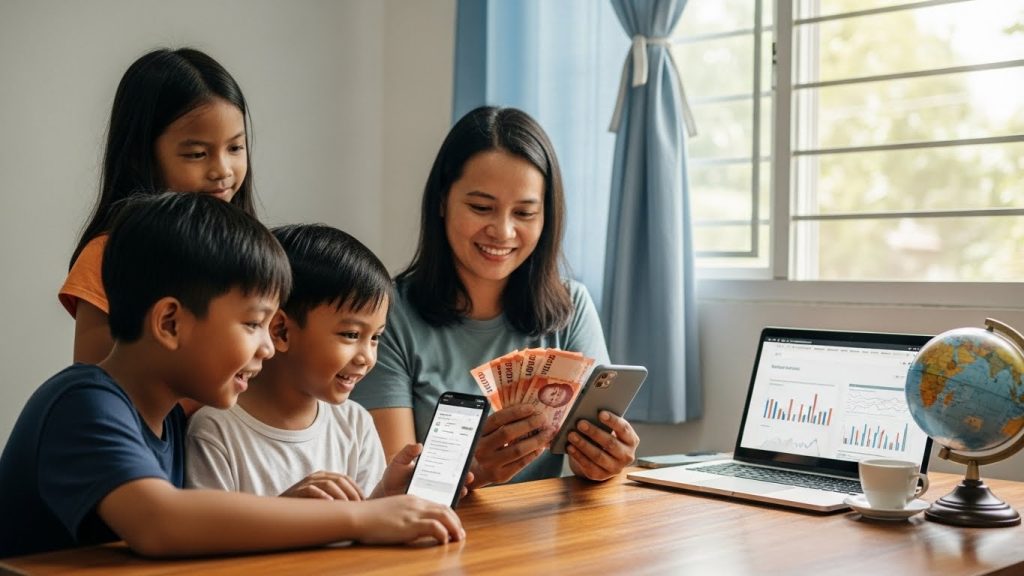
Overseas Filipino Workers (OFWs) sent a staggering $31.4 billion back to their families in the Philippines in 2021. For those looking to transfer funds from England to Philippines, understanding how this process works can make a significant difference for families receiving these vital remittances.
When we examine remittance patterns, it’s clear that online transfers have dramatically transformed how OFWs send money to their loved ones. Additionally, cash pickup remains one of the most popular methods, allowing recipients to access funds within minutes of the transfer being sent. With more than 2,000 branches nationwide, services like Cebuana Lhuillier’s Pera Padala ensure quick and accessible money transfers throughout the Philippines. Furthermore, the speed of these transactions varies by method – bank transfers typically take 1-3 business days, while online transfers can be completed in as little as the same day to 2 days.
In this guide, we’ll explore the most efficient ways for OFW families to receive money from the UK, covering the practical steps to Transfer Funds from England to Philippines, how to keep these transfers secure, and strategies to maximize the value of every pound sent home.
Choosing the right method to receive money
Receiving money from loved ones in the UK requires Filipino families to understand their options. The method you select can significantly impact how quickly and conveniently you access these vital funds.
What families should know about remittance options
For families in the Philippines, several reliable methods exist for receiving money sent from the UK. Each option offers distinct advantages depending on your specific needs and circumstances.
Cash pickup remains extremely popular because it allows recipients to collect funds within minutes at thousands of locations nationwide. This option is ideal for urgent financial needs.
Bank transfers provide a secure way to receive funds directly to your account. Although they typically take longer around 3-5 business days they’re especially suitable for receiving larger amounts.
Mobile wallets have gained tremendous popularity in recent years, particularly since many Filipinos don’t have traditional bank accounts. Options like GCash, PayMaya, Coins.ph, and ShopeePay offer fast and convenient access to funds. Mobile money transfers are relatively inexpensive with low or no fees.
Door-to-door delivery provides maximum convenience as recipients don’t need to leave home to access their money. This service is often faster than bank transfers and ensures safe delivery.
How to compare providers for better value
To maximize the value of money transfers from England, consider these crucial factors:
First, pay close attention to exchange rates. These fluctuate constantly, so tracking them helps you receive transfers when rates are favorable. Setting rate alerts can help you lock in advantageous rates.
Second, understand all transfer fees. These vary significantly between providers and depend on factors like transfer amount, payment method, and receiving option. Some providers display fees upfront, while others hide them in poor exchange rates.
Third, evaluate transfer speed based on your needs. Cash pickup and mobile wallet options typically offer near-instant transfers, whereas bank transfers may take 3-5 business days.
Lastly, consider using comparison tools to find the most cost-effective service. Many online platforms allow you to compare fees, exchange rates, and delivery times across multiple providers simultaneously. Remember, the fastest option isn’t necessarily the cheapest, so determine your priorities before selecting a service.
Keeping money transfers safe and secure
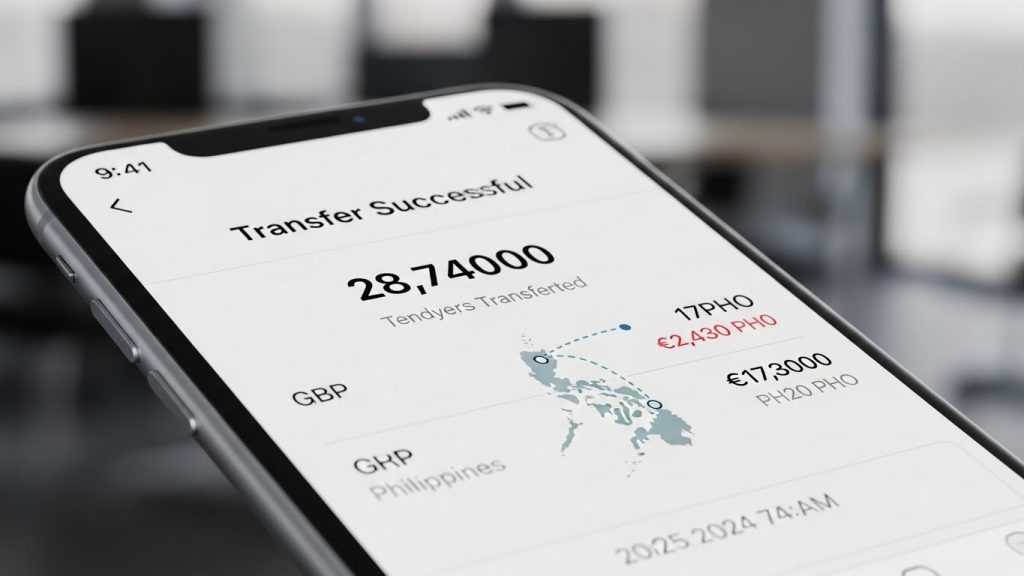
Security threats to international money transfers have increased dramatically in recent years, with money lost to bank scams rising by 71% in 2021 equivalent to almost £2 million daily. Consequently, keeping your transfers safe requires vigilance and following proven security practices.
Avoiding scams and fraud
Remittance scams target people sending money across borders, with immigrants being the most common victims. Scammers often impersonate legitimate businesses, exploit emergency situations, or offer unrealistic investment returns. Phishing attacks attempt to trick you into revealing sensitive information through deceptive emails, text messages, or fake websites. Moreover, malware can infiltrate your device to steal remittance data and passwords, potentially resulting in unauthorized transactions.
Using verified remittance channels
Always choose services regulated by financial authorities like the Financial Conduct Authority (FCA) in the UK. Licensed operators provide critical protections that informal channels cannot. Look for providers that offer transparent fee structures and clear tracking capabilities. Indeed, reputable providers should visibly display their regulatory status and prioritize protecting both your data and funds. Remember that the potential losses from using unverified channels far outweigh any fee savings.
Tips for secure mobile and online transfers
First, create strong passwords using combinations of uppercase and lowercase letters, numbers, and special characters. Second, enable two-factor authentication (2FA) wherever possible this additional verification step significantly enhances security. Third, avoid using public Wi-Fi for financial transactions as these networks are often unencrypted and vulnerable to interception.
Other essential security measures include:
- Installing reliable anti-virus software and keeping it updated
- Monitoring account statements regularly for unauthorized activities
- Being suspicious of unsolicited communications requesting personal information
- Using 256-bit encryption platforms that protect your data from hackers
By prioritizing security when you transfer funds from England to Philippines, you’ll ensure your hard-earned money reaches your loved ones safely without falling victim to increasingly sophisticated scams.
Helping families manage received funds
Managing remittance money wisely creates financial stability for Filipino families receiving funds from the UK. Smart financial habits transform these transfers from temporary support into long-term security.
Encouraging budgeting and saving
Financial transparency forms the foundation of effective money management. Many OFW families benefit from the tried-and-true formula: INCOME – SAVINGS = EXPENSES. Instead of saving what remains after spending, set aside at least 10% of received remittances first. This approach ensures consistent growth of savings over time.
Creating a shared budget spreadsheet between the OFW and family members helps everyone understand spending patterns. For structured budgeting, try the 50-30-20 rule: 50% for necessities (housing, food, utilities), 30% for wants, and 20% for savings.
Using mobile wallets for daily expenses
Mobile wallets have become essential tools for Filipino families handling remittances. Services like GCash allow recipients to use funds immediately for shopping and everyday expenses. These digital platforms eliminate long lines and provide convenient access to essentials.
Maya offers a compelling 15% interest rate higher than traditional savings banks helping families grow their finances through digital means. Additionally, mobile wallets enable users to pay bills, purchase load credits, and access various services directly from their phones.
Setting up emergency funds
Financial experts recommend building an emergency fund of three to six months’ worth of living expenses. If your monthly expenses are ₱20,000, aim for ₱60,000-₱120,000 in your emergency fund. This buffer provides stability during medical emergencies or unexpected family obligations.
Start small by saving consistently and treating these contributions as non-negotiable expenses. Keep emergency funds in accessible accounts separate from daily spending money. Regularly review your emergency fund to ensure it remains adequate as expenses change what covered three months’ expenses last year might be insufficient now.
Maximizing the value of every transfer
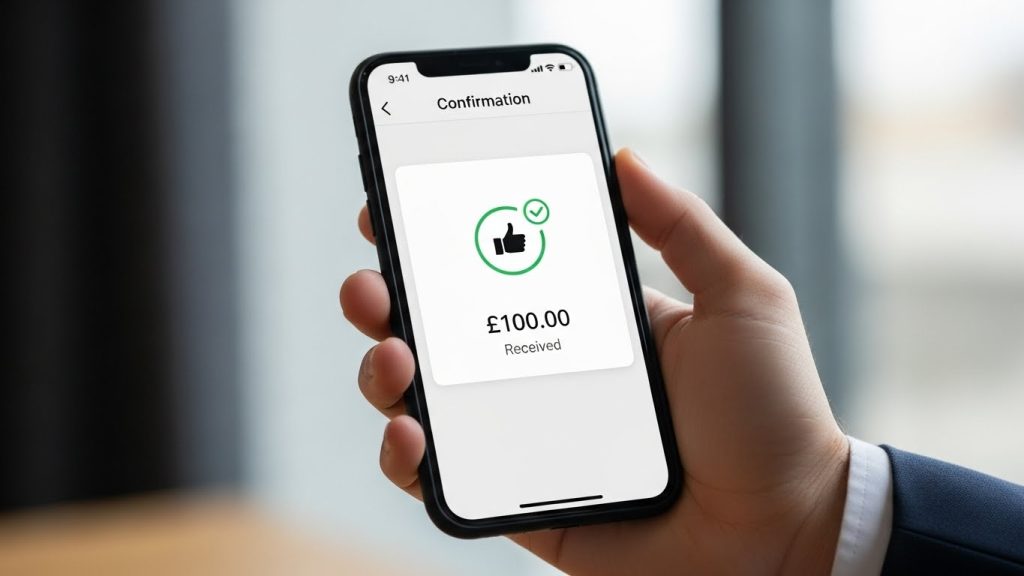
Getting the most value when you transfer funds from England to Philippines requires strategic planning. Every pound saved means more pesos for your family back home.
Tracking exchange rates
Exchange rates between GBP and PHP fluctuate daily, directly affecting how much your family receives. Setting up rate alerts notifies you when rates reach your desired level. According to Wise research, Filipino consumers lost approximately USD 170 million (PHP 9.74 billion) in 2024 alone due to hidden fees in international money transfers. Therefore, comparing your offered rate to the mid-market exchange rate reveals how much markup providers add. Many financial websites offer real-time exchange rate information, enabling you to identify favorable transaction times.
Sending larger amounts less frequently
Transferring £500 monthly using an internet-based firm rather than a bank can save up to 240 pounds yearly. Generally, it costs more to send smaller amounts (like USD 200) than larger amounts (USD 1000+). Most companies offer transfer fee-free deals or lower fees for amounts over USD 1000. Chase, for example, offers free international wire transfers for amounts of 5000 USD or more sent online in foreign currency.
Using fee-free promotions and discounts
Many providers offer special promotions for new users. GoTyme Bank partnered with Wise Platform to provide faster, cheaper transfers with complete transparency. First-time users of services like ACE Money Transfer may receive free transfers or transactions for a limited time. Additionally, companies like Profee currently offer 0% fees and promotional exchange rates on first transactions.
Conclusion
Money transfers between the UK and Philippines serve as lifelines for countless Filipino families. Throughout this guide, we’ve explored several reliable methods families can use to receive these crucial funds. Cash pickup offers immediate access at thousands of locations nationwide, while bank transfers provide secure delivery for larger amounts. Mobile wallets have certainly transformed the remittance landscape, offering convenience without traditional banking requirements.
Security remains paramount when handling international transfers. Families should therefore stick with verified providers regulated by authorities like the FCA. Strong passwords, two-factor authentication, and avoiding public WiFi all help protect hard-earned money from increasingly sophisticated scammers.
Managing received funds wisely transforms temporary support into long-term financial stability. Many successful OFW families follow the principle: INCOME – SAVINGS = EXPENSES. This approach, coupled with emergency fund planning, creates resilience against unexpected challenges.
Smart timing and strategic sending maximize every pound’s value. Exchange rate tracking alerts families to favorable conversion opportunities. Additionally, sending larger amounts less frequently often reduces overall fees, though each family must balance this against their specific needs.
UK-Philippines remittance channels continue evolving, offering families more options than ever before. Fee-free promotions, digital wallets, and transparent comparison tools empower recipients to make informed choices. These advancements ensure that the billions sent annually by hardworking OFWs reach their families efficiently, securely, and with maximum value preserved.