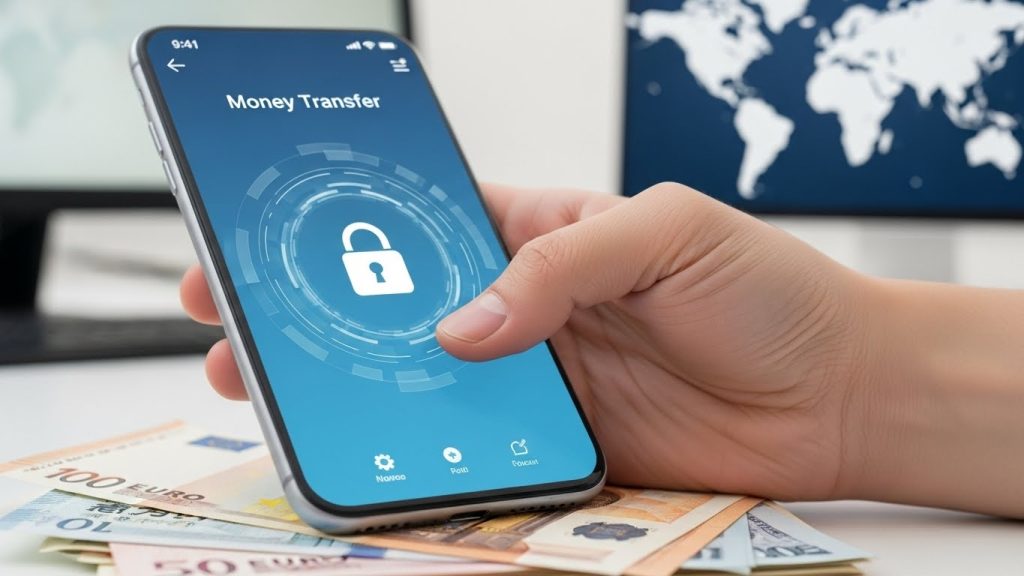
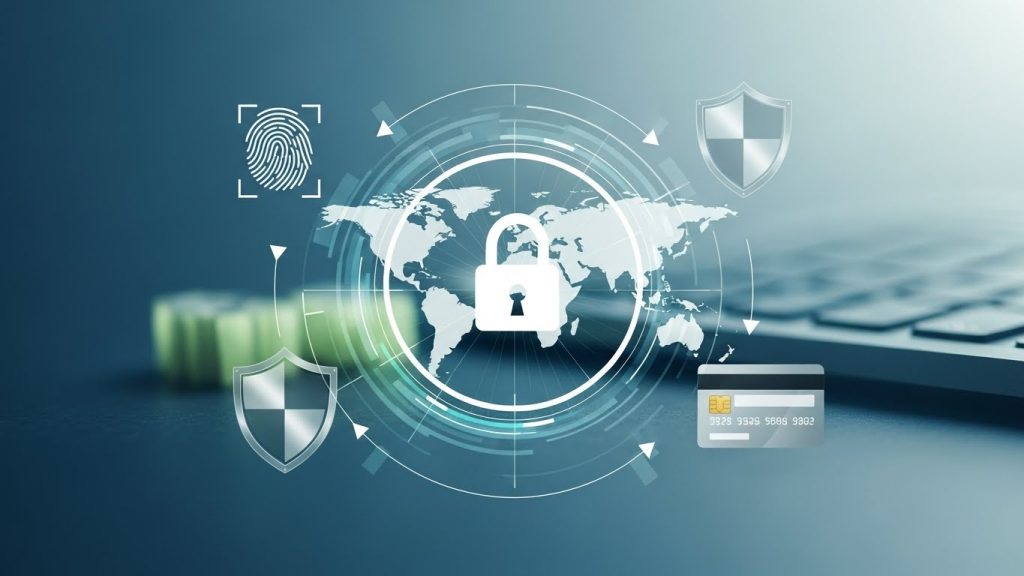
When we transfer money to Zimbabwe, security should be our top priority. The total cost of sending these remittances can reach up to 5.87% of the transfer amount in early 2025, including fees averaging 2.46% and exchange rate margins of 3.81%.
Understanding how to transfer money to Zimbabwe safely requires knowledge of various security measures and potential risks. In fact, international money transfers involve several components that affect both cost and security – from the fees charged to the sender to the exchange rate margins applied by transfer services. Additionally, factors like transfer speed and network coverage play important roles in determining which service best meets your needs.
In this guide, we’ll walk through essential security measures every international money sender should know. We’ll examine common fraud tactics, identify key security features in transfer services, provide practical protection strategies, and help you evaluate which platforms are truly trustworthy. By the end, you’ll have the knowledge to make secure and cost-effective money transfers to Zimbabwe.
Knowledge of the Risks in International Money Transfers
International money transfers face numerous security threats that every sender should understand before clicking “send.” The digital movement of funds across borders creates opportunities for sophisticated criminals who continuously develop new tactics.
Common fraud tactics targeting senders
Sending money internationally exposes you to various deceptive schemes. Fraudsters frequently impersonate legitimate financial institutions to trick individuals into revealing sensitive information or transferring funds to fraudulent accounts. Business Email Compromise (BEC) scams have caused staggering losses totaling $26 billion according to FBI reports. A striking example occurred in 2016 when criminals impersonating a CEO stole $50 million from aerospace company FACC AG.
Most scammers create artificial urgency to bypass your normal caution, a tactic to be particularly aware of if you need to Transfer Money from Uk to Zimbabwe. They might claim there’s a family emergency or threaten consequences if you don’t act immediately. Furthermore, romance scams, investment schemes promising “risk-free” returns, and fake emergency requests from “family members” rank among the most common deceptions.
How identity theft happens during transfers
Identity theft during transfers typically begins with sophisticated data collection. Criminals create entirely artificial personas by blending stolen and fictitious information to pass know-your-customer checks. These “synthetic” identities allow fraudsters to open bank accounts, obtain credit, or establish digital wallets undetected.
Notably, more than half of businesses identify synthetic identity proliferation as a leading challenge in customer verification. Meanwhile, account takeover fraud involves criminals obtaining payment information or login credentials through phishing attempts or data breaches, then using these to make unauthorized international transfers.
Why exchange rate manipulation matters
Despite appearances, exchange rates aren’t always transparent or fair. Currency exchange rates are inherently volatile, subject to various economic, political, and market factors. Sudden shifts in rates, especially during large transactions, can profoundly impact the value received by your intended recipient.
Some providers deliberately manipulate rates through markup fees, hidden charges, and delayed processing to increase their profits. Consequently, what appears to be a good deal might actually include significant hidden costs. When you transfer money to Zimbabwe, these manipulations directly reduce the amount your recipient ultimately receives.
Beyond this, fluctuations in exchange rates can significantly impact the value of transferred funds, leading to unexpected losses or reduced purchasing power for both senders and recipients.
Key Security Features to Look for in a Money Transfer Service
Choosing the right security features remains essential when sending funds abroad. As you search for reliable ways to transfer money to Zimbabwe, these four security elements should top your checklist.
End-to-end encryption
Strong encryption serves as your first line of defense against data theft. End-to-end encryption (E2EE) transforms your sensitive payment information into unreadable code during transmission, making it useless to anyone who might intercept it. Look for services that employ 256-bit encryption the same robust standard that banks use to protect accounts. This technology ensures your transaction details stay protected from the moment you initiate a transfer until the funds reach your recipient in Zimbabwe.

Two-factor authentication (2FA)
Passwords alone cannot stop determined hackers. Two-factor authentication adds an essential second layer of security by requiring multiple verification steps before allowing account access. Most reliable services offer 2FA through various methods: SMS codes, email verification, authentication apps, biometric scans (like fingerprints or facial recognition), or push notifications. This approach makes it substantially harder for fraudsters to gain unauthorized access to your account even if they somehow obtain your password.
Regulatory compliance and licensing
Legitimate money transfer services must comply with strict governmental regulations. Under Know Your Customer (KYC) and Anti-Money Laundering (AML) rules, providers must verify the identities of all parties involved in transactions. Check that your provider has proper licensing from authorities like FinCEN in the USA, the FCA in the UK, or other relevant regulatory bodies. These compliance measures not only protect the financial system but also safeguard your transfers to Zimbabwe.
Transparent fee and exchange rate policies
Hidden costs can significantly reduce the amount your recipient gets. Surprisingly, the global average cost of sending remittances remains a high 6.5% more than double the 3% target identified as a Sustainable Development Goal. Foreign exchange margins typically constitute one-third of the price on $200 remittances. Prioritize services that disclose the “total cost” upfront, including both fees and exchange rate markups.
How to Protect Yourself When Sending Money Online
Protecting yourself while sending money online requires vigilance and specific safety practices. Taking proper precautions remains crucial whether you’re making a routine transfer to Zimbabwe or sending funds for the first time.
Avoiding public Wi-Fi during transactions
Public Wi-Fi networks create significant security vulnerabilities for financial transactions. Hackers can easily intercept your data on these unsecured connections. Most importantly, accessing banking accounts or initiating money transfers on public networks exposes your sensitive information to potential theft. Instead, use your mobile data, a personal hotspot, or wait until you’re on a secure private network.
Recognizing phishing emails and fake websites
Phishing attempts often create artificial urgency to bypass your normal caution. Be wary of emails requesting immediate action or threatening consequences if you don’t respond quickly. Always verify the sender’s identity – legitimate financial institutions never ask for passwords or personal information via email. Moreover, check website addresses carefully; access financial sites by typing URLs directly rather than clicking links.
Using strong passwords and password managers
Strong passwords follow three essential rules: they’re long (at least 16 characters), random (mixing letters, numbers, and symbols), and unique for each account. Password managers generate and store these complex passwords, meaning you only need to remember one master password. Hence, they significantly reduce your vulnerability to hacking attempts while making security manageable.
Verifying recipient details before sending
Double-check all recipient information prior to confirming any transfer to Zimbabwe. Simple errors in account numbers or names can make recovering funds difficult or impossible. Subsequently, verbally confirm details with your recipient whenever possible. This simple verification step prevents costly mistakes and protects against potential scams.
Evaluating Services: What Makes a Platform Trustworthy?
Finding a trustworthy platform for your international transfers involves examining several crucial elements. Let’s explore what truly matters when choosing a service to transfer money to Zimbabwe.
User reviews and reputation
Reliable online feedback provides valuable insights into service quality. Most importantly, look beyond star ratings and read detailed customer experiences. Over 5 million customers trust providers with consistently positive reviews. Furthermore, 78% of banking consumers regularly consult online reviews when selecting financial services. On platforms like Trustpilot, Google Play Store, and Apple’s App Store, high user ratings typically indicate reliable service.
Customer support availability
Effective customer support serves as a lifeline during financial transactions. Generally, seek providers offering 24/7 assistance through multiple channels phone, email, and live chat. Fast response times prevent minor issues from escalating into significant complaints. Although seemingly minor, multilingual support proves especially valuable for international transfers, ensuring clear communication throughout the process.
Speed and reliability of transfers
Quick delivery remains essential when sending money internationally. Primarily, examine the typical delivery timeframe 90% of transfers to Zimbabwe through certain providers arrive within minutes. Nevertheless, be aware that factors like banking hours, time zones, and verification requirements can affect processing time. Equally important, consider that transactions involving major currencies often process faster due to established payment channels.
Security certifications and audits
Professional certifications confirm a provider’s commitment to security standards. Above all, look for PCI DSS certification, which ensures proper handling of cardholder data. ISO/IEC 27001 certification verifies adherence to international information security standards. Simultaneously, SOC 2 and 3 reports validate the effectiveness of security controls.
How to transfer money to Zimbabwe safely
To safely transfer money to Zimbabwe, select services that offer transparent fee structures and exchange rates. Certainly, compare both transfer fees and currency exchange rates before initiating transactions. Finally, verify all recipient information and use services with robust tracking capabilities to monitor your transfer from start to finish.
Conclusion
Sending money internationally carries significant risks, yet proper security measures make these transfers both safe and reliable. Throughout this guide, we’ve explored essential safeguards every sender should implement when transferring money to Zimbabwe. Undoubtedly, understanding common fraud tactics, identity theft methods, and exchange rate manipulation provides the foundation for secure transactions.
Security features like end-to-end encryption and two-factor authentication serve as critical protective barriers against unauthorized access. Additionally, regulatory compliance and transparent fee structures indicate trustworthy service providers committed to customer protection rather than hidden profits.
Personal vigilance remains your strongest defense against potential threats. Therefore, avoid public Wi-Fi for financial transactions, scrutinize emails for phishing attempts, maintain strong unique passwords, and always verify recipient details before confirming transfers.
Choosing the right platform ultimately determines your transfer success. User reviews, responsive customer support, reliable delivery times, and recognized security certifications all point toward trustworthy services. After all, the goal extends beyond merely sending money you want your hard-earned funds to reach loved ones in Zimbabwe securely and with minimal cost.
Armed with this knowledge, you can now confidently navigate international money transfers while protecting yourself from potential security threats. Remember, a little caution today prevents significant financial losses tomorrow. Your diligence guarantees not just successful transfers but peace of mind knowing your money reaches its intended destination safely.